


BEIJING, May 24 (Xinhua) -- Chinese researchers have commenced breeding experiments on 12,000 seeds that were bred inside the Shenzhou-13 crewed spaceship in space for six months.
The seeds, including alfalfa, oats and fungi, were selected by multiple research institutions last year. They were brought back to Earth by the Shenzhou-13 on April 16.
Space breeding refers to the process of exposing seeds to cosmic radiation and microgravity during a spaceflight mission to mutate seed genes and then send them back to Earth to generate new species.
The space breeding tests have been carried out in all the flight missions during the essential technology verification phase of China's space station project. Thousands of crop seeds and microorganisms from 88 organizations were carried into space and returned to Earth by the Shenzhou-12 and Shenzhou-13.
Researchers at M-Grass, a tech enterprise in north China's Inner Mongolia Autonomous Region, have conducted experiments on six grass strains onboard the Shenzhou-13. It is the second time the company has sent seeds into space, following the return of grass specie mutations with the Chang'e-5 lunar probe in 2020.
After further selection and planting, superior seed varieties will be used for ecological restoration and urban landscape construction, said Liu Siyang, a senior researcher at the company.
On Oct. 16, 2021, the Shenzhou-13 mission sent three taikonauts to China's space station core module for a six-month stay -- the longest-ever duration in the country's crewed space program. Crew members completed several experiments during the space flight.
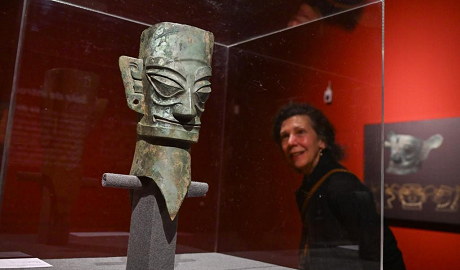
Ancient bronze treasures from southwest China showcased in Spain
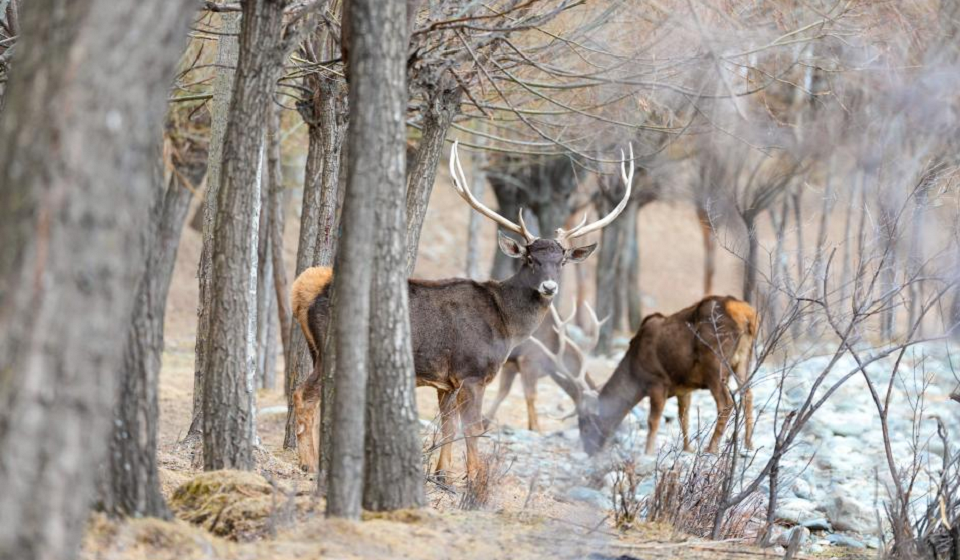
White-lipped deer population increases in Xizang as ecological environment improves
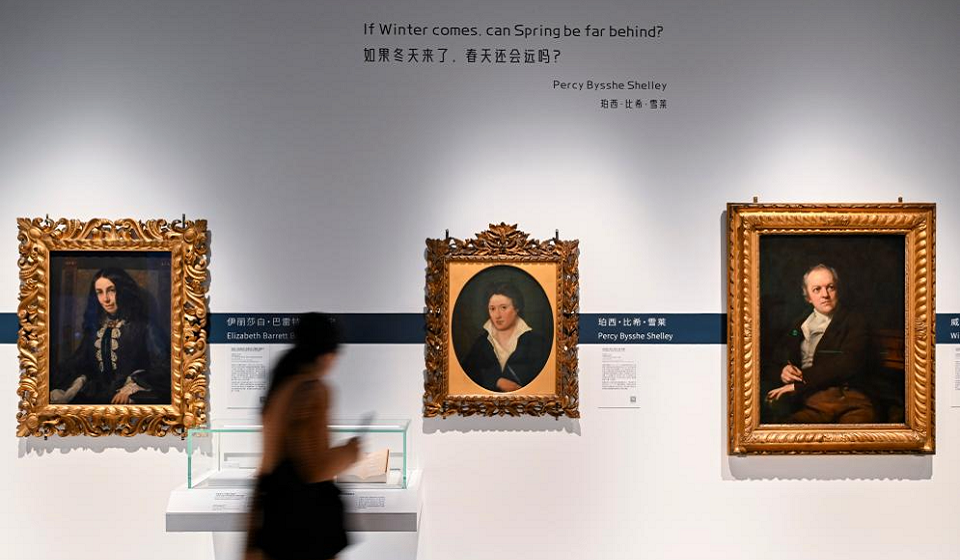
Exhibition featuring British writers held at Shanghai Museum
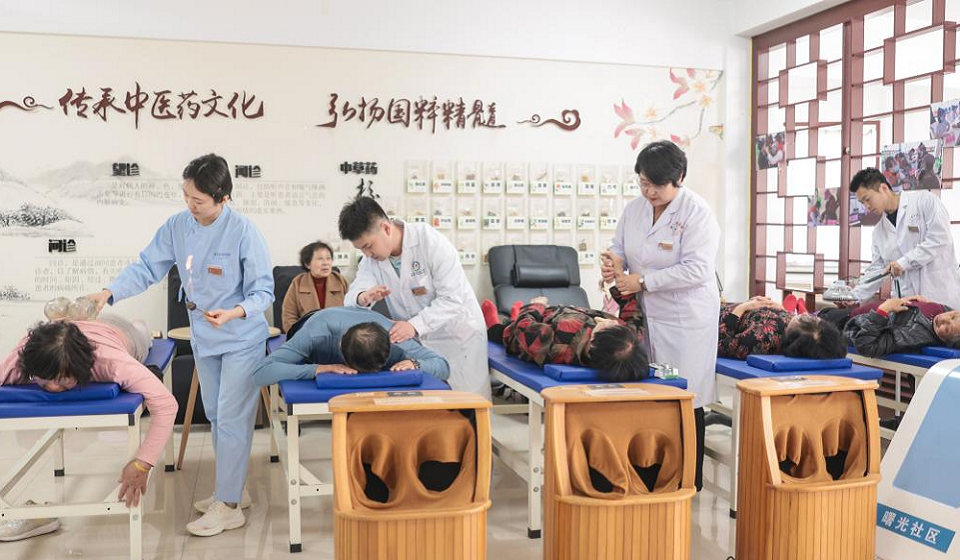
China's Shandong strengthens medical and health service system
World Insights: Ancient Chinese academies foster cross-cultural exchanges through Eastern wisdom
点击右上角 微信好友
微信好友
 朋友圈
朋友圈

请使用浏览器分享功能进行分享