


BEIJING, Aug. 1 (Xinhua) -- Chinese researchers have systematically reviewed the application and potential development of industrial exhaust gas in producing aquaculture feed protein.
The rapid development of aquaculture requires a rigid increase in feed consumption that heavily depends on wild-captured forage fish, which is unsustainable, costly and less eco-friendly, according to a recent research article published in the journal Reviews in Aquaculture.
The one-carbon gas protein (C1GP) is produced through the fermentation of certain unique microorganisms by utilizing the substrates from one carbon-related industrial exhaust gases, such as methane, methanol, carbon monoxide, carbon dioxide, which save time, land, water and resources, reduce greenhouse gases and waste materials, and offer sustainable protein sources.
The researchers from the Institute of Feed Research of the Chinese Academy of Agricultural Sciences and the Tianjin Institute of Industrial Biotechnology under the Chinese Academy of Sciences introduced the latest progress on microorganisms, protein production technology, nutrition and products using one-carbon gases as substrate, as well as their application in aquatic feed.
They concluded the pathways for carbon sequestration and nitrogen sequestration of common one-carbon gases and reviewed the types of strains.
According to the researchers, C1GP has great potential in the aquatic feed with high transformation efficiency, wide adaptation and abundant nutrients.

China's Kuqa City attracts visitors to experience living history
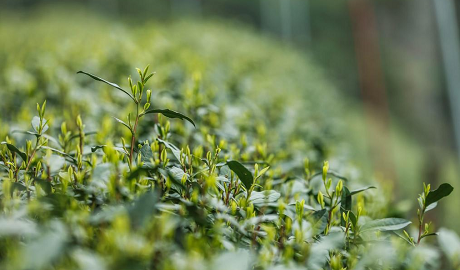
Tea farmers harvest West Lake Longjing tea in China's Hangzhou

Ancient bronze treasures from southwest China showcased in Spain

White-lipped deer population increases in Xizang as ecological environment improves

Exhibition featuring British writers held at Shanghai Museum
点击右上角 微信好友
微信好友
 朋友圈
朋友圈

请使用浏览器分享功能进行分享