


BEIJING, Aug. 17 (Xinhua) -- Chinese researchers have revealed the law of biotic colonization of cave organisms in subtropical East Asia, according to the Institute of Botany under the Chinese Academy of Sciences.
Caves are home to unique and fragile biotas with high levels of endemism. Subtropical East Asia holds the world's largest karst landform with numerous ancient caves, which harbor a high diversity of cave-dwelling organisms and are regarded as a biodiversity hotspot, said Wang Wei, head of the research team.
Through the analysis of phylogenetic, differentiation time and biogeography on 28 plants, animals and fungi in East Asian subtropical caves, they discovered that 88 percent of cave colonization events occurred after the Oligocene-Miocene boundary, and organisms from the surrounding forest were a major source for subtropical East Asian cave biodiversity.
Researchers also found nine instances where organisms returned to the surface from cave biotas. "This phenomenon indicates that caves are not only a sanctuary for forest species, but also a resource pool for forest ecosystem restoration," Wang said.
The study was published in the journal The Proceedings of the National Academy of Sciences.
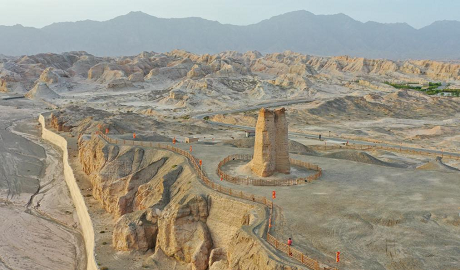
China's Kuqa City attracts visitors to experience living history
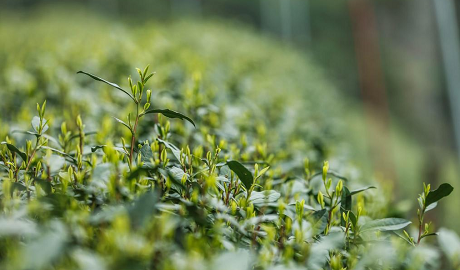
Tea farmers harvest West Lake Longjing tea in China's Hangzhou
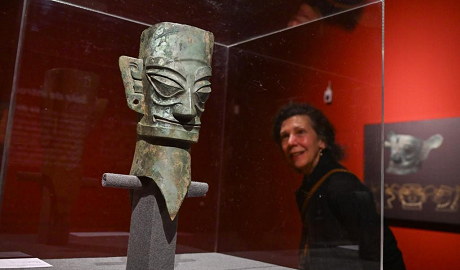
Ancient bronze treasures from southwest China showcased in Spain
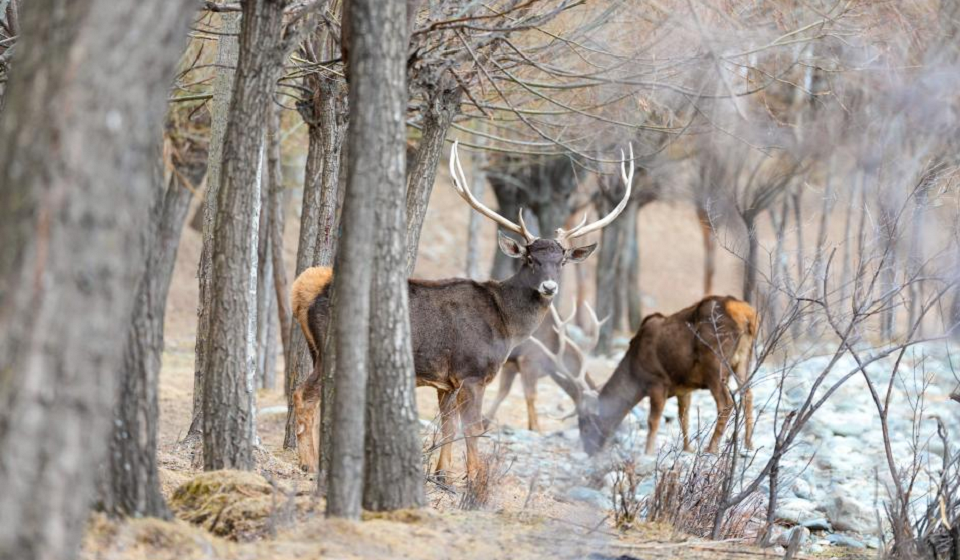
White-lipped deer population increases in Xizang as ecological environment improves

Exhibition featuring British writers held at Shanghai Museum
点击右上角 微信好友
微信好友
 朋友圈
朋友圈

请使用浏览器分享功能进行分享