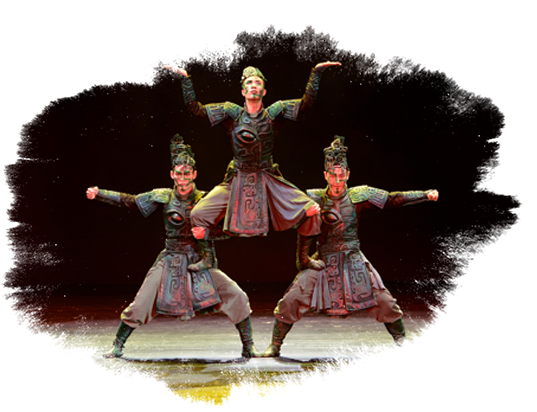


Upon entering any of China’s major museums, the profound historical importance of the Ding, a type of bronze vessel, becomes immediately apparent. Initially designed for culinary purposes such as cooking and food storage, the Ding ultimately emerged as a potent symbol of authority and societal harmony.
Among the vast collection of Chinese Dings, Wang Ziwu Ding stands out as one of the most unique. Discovered in central China's Henan Province in 1978, the Ding belonged to a man named "Wang Ziwu". His father was once the King of a state called Chu in China. Created between 558 and 552 BCE, the Wang Ziwu Ding epitomizes the essence of Chu culture, characterized by vibrant artistic expression and imagination.
In 2021, a group of Chinese Classical Dance artists from the Zhengzhou Opera and Dance Drama Theater decided to visualize the spirit and cultural significance of the Wang Ziwu Ding. Their choreography conveys the strength, artistic flair, and call for unity epitomized by the Wang Ziwu Ding.
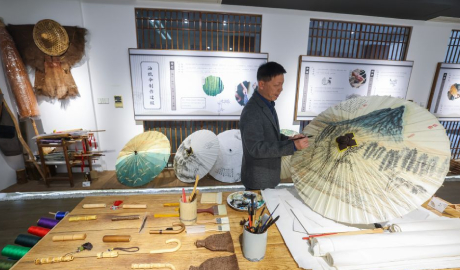
Umbrella industry thrives in Shangyu District of Shaoxing City, China's Zhejiang
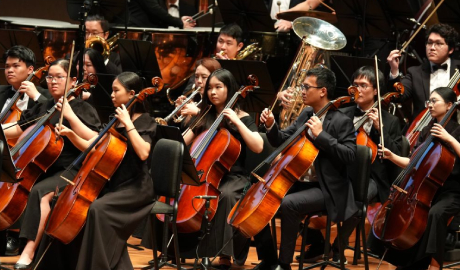
Concert held in Malaysia to mark 160th birth anniversary of Sun Yat-sen

City music lounge starts trial operation in Hangzhou, China's Zhejiang

White swans from Siberian region of Russia arrive to winter at Yellow River wetland

China's Baoshan promotes transformation and upgrading of coffee industry
点击右上角 微信好友
 朋友圈

请使用浏览器分享功能进行分享