

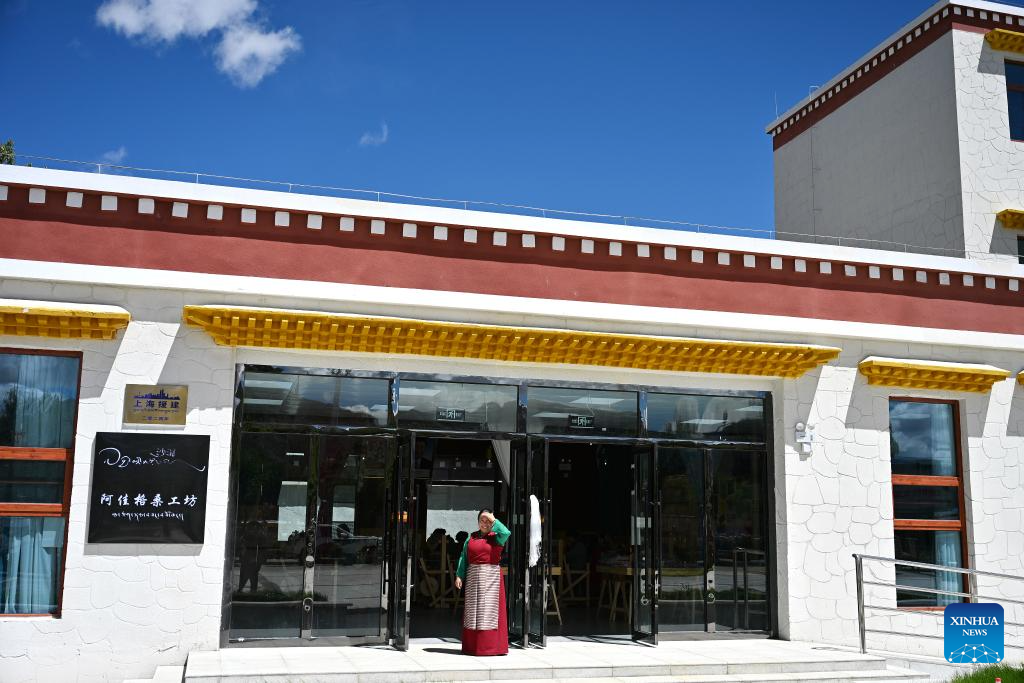
A craftswoman stands next to the door of a pulu workshop in Gyangze County, southwest China's Xizang Autonomous Region, Sept. 3, 2024.
Pulu is a traditional woolen fabric and the primary material Tibetans use to make clothes. With the support of a paired-up assistance program, the pulu weaving industry in Gyangze County has been revitalized.
A Shanghai-aided pulu workshop opened here this July, providing job opportunities for local women and improving their lives. (Xinhua/Sun Ruibo)
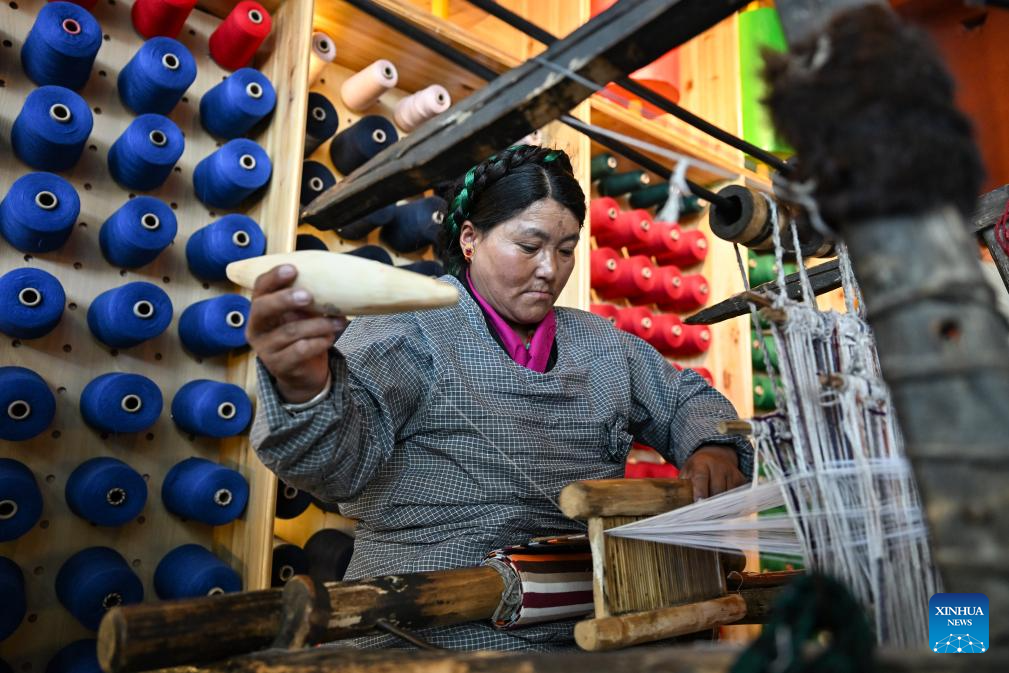
A Tibetan villager uses a traditional machine to wave pulu, a kind of Tibetan woolen fabric, at a workshop in Gyangze County, southwest China's Xizang Autonomous Region, Sept. 3, 2024.
Pulu is a traditional woolen fabric and the primary material Tibetans use to make clothes. With the support of a paired-up assistance program, the pulu weaving industry in Gyangze County has been revitalized.
A Shanghai-aided pulu workshop opened here this July, providing job opportunities for local women and improving their lives. (Xinhua/Sun Ruibo)
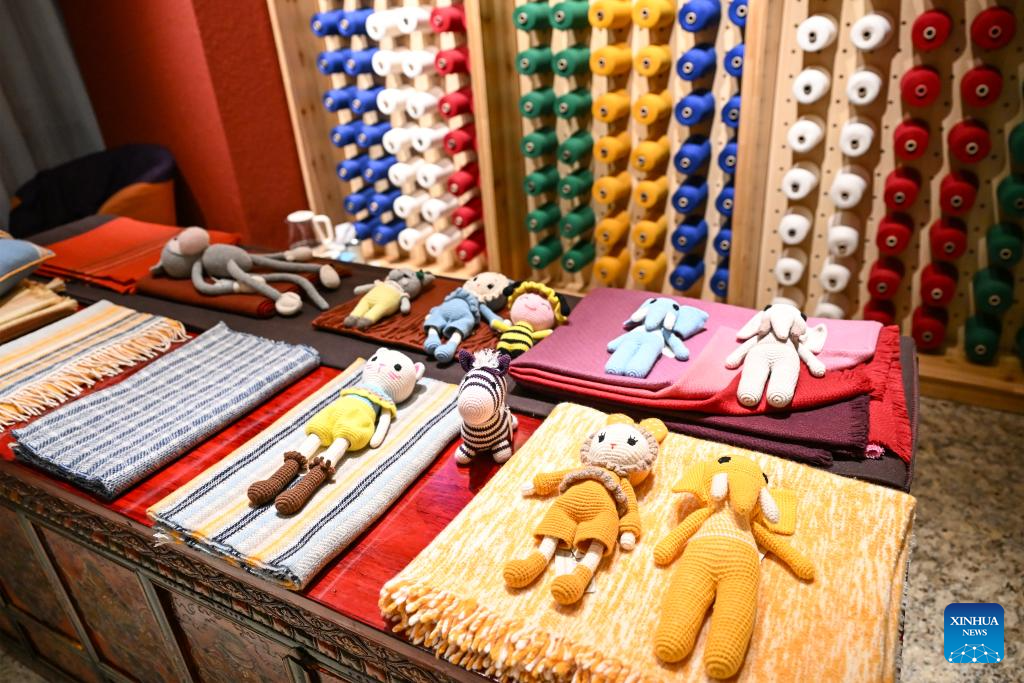
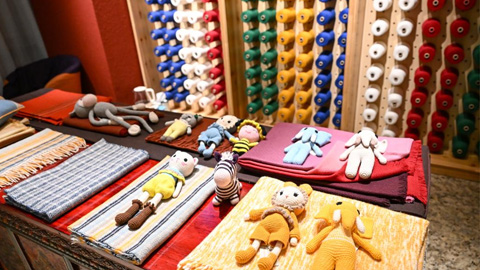
Toys, scarfs and wraps made of pulu, a kind of Tibetan woolen fabric, are pictured at a shop in Xizage, southwest China's Xizang Autonomous Region, Sept. 1, 2024.
Pulu is a traditional woolen fabric and the primary material Tibetans use to make clothes. With the support of a paired-up assistance program, the pulu weaving industry in Gyangze County has been revitalized.
A Shanghai-aided pulu workshop opened here this July, providing job opportunities for local women and improving their lives. (Xinhua/Sun Ruibo)
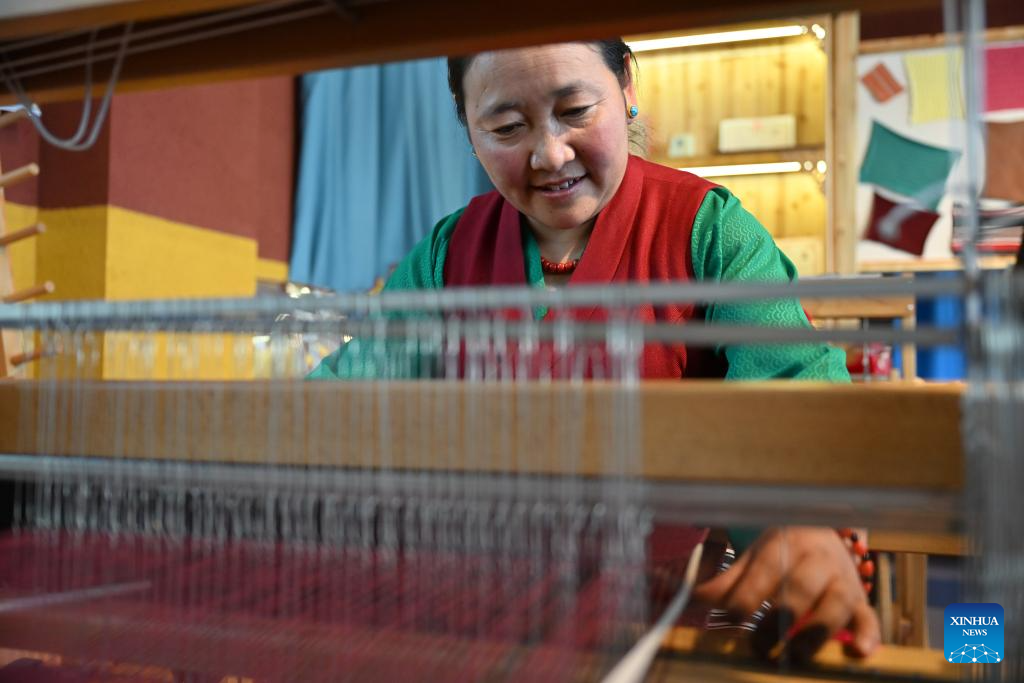
A craftswoman uses a new machine to wave pulu, a kind of Tibetan woolen fabric, at a workshop in Gyangze County, southwest China's Xizang Autonomous Region, Sept. 3, 2024.
Pulu is a traditional woolen fabric and the primary material Tibetans use to make clothes. With the support of a paired-up assistance program, the pulu weaving industry in Gyangze County has been revitalized.
A Shanghai-aided pulu workshop opened here this July, providing job opportunities for local women and improving their lives. (Xinhua/Sun Ruibo)
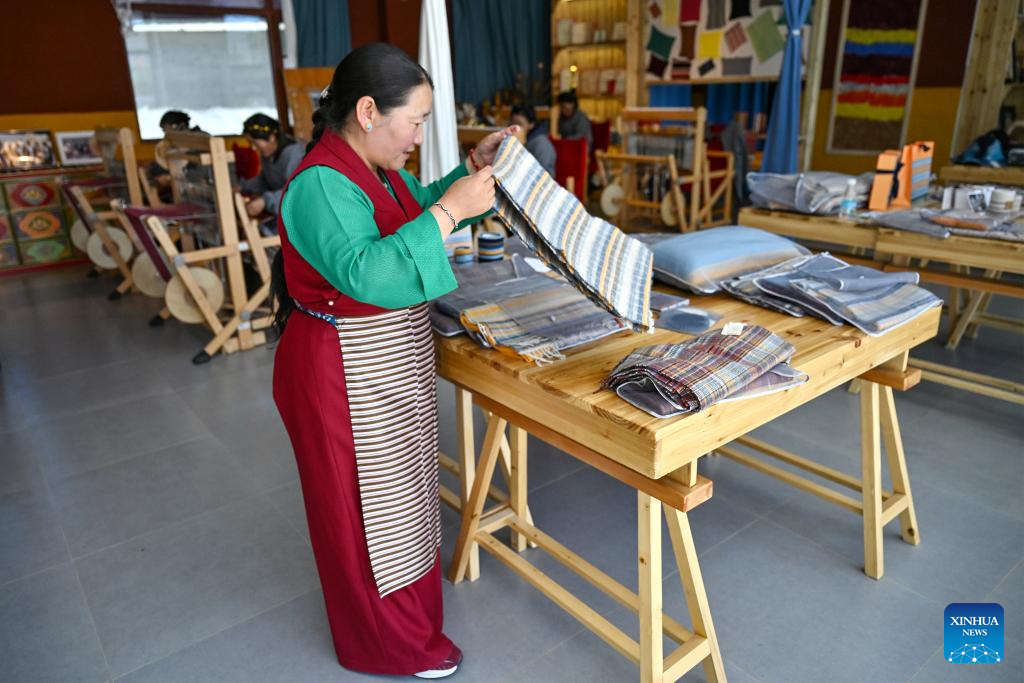
A craftswoman arranges cashmere pulu, a kind of Tibetan woolen fabric, at a workshop in Gyangze County, southwest China's Xizang Autonomous Region, Sept. 3, 2024.
Pulu is a traditional woolen fabric and the primary material Tibetans use to make clothes. With the support of a paired-up assistance program, the pulu weaving industry in Gyangze County has been revitalized.
A Shanghai-aided pulu workshop opened here this July, providing job opportunities for local women and improving their lives. (Xinhua/Sun Ruibo)
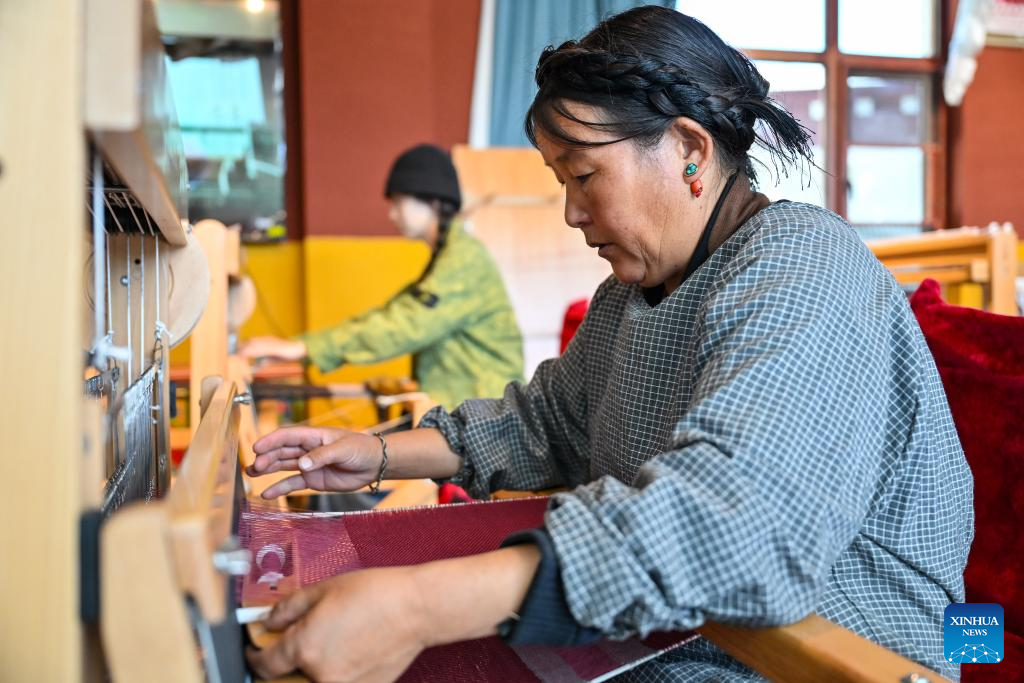
A Tibetan villager uses a new machine to wave pulu, a kind of Tibetan woolen fabric, at a workshop in Gyangze County, southwest China's Xizang Autonomous Region, Sept. 3, 2024.
Pulu is a traditional woolen fabric and the primary material Tibetans use to make clothes. With the support of a paired-up assistance program, the pulu weaving industry in Gyangze County has been revitalized.
A Shanghai-aided pulu workshop opened here this July, providing job opportunities for local women and improving their lives. (Xinhua/Li Ning)
点击右上角 微信好友
微信好友
 朋友圈
朋友圈

请使用浏览器分享功能进行分享