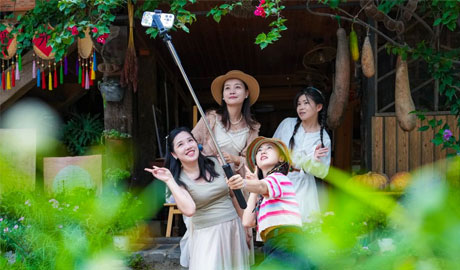


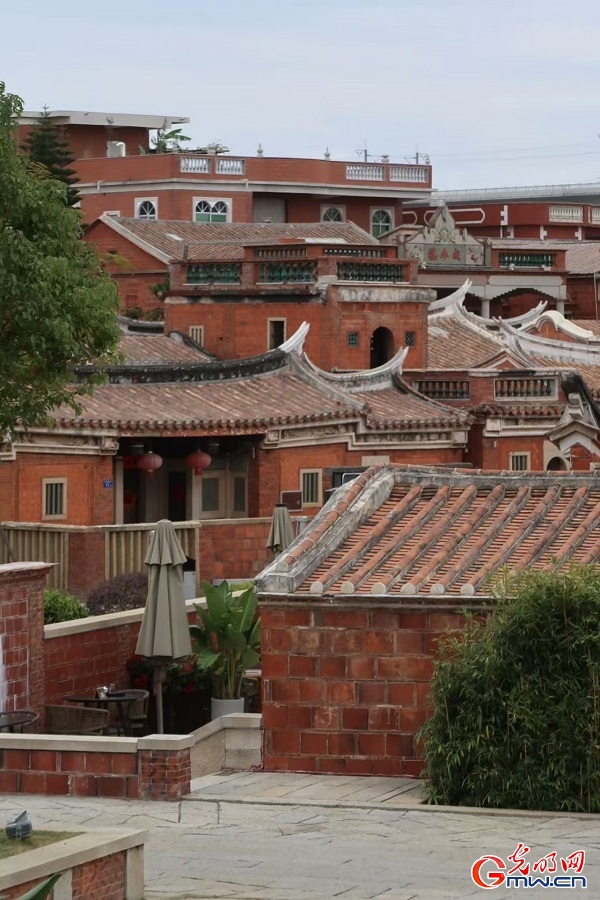
Photo taken on Dec. 24, 2024 shows the distinctive architecture of Wulin Traditional Village in Fujian Province. The village dates back to the Ming and Qing dynasties, featuring 58 Minan-style official ancestral halls, 10 foreign-style buildings, 11 western-style buildings, and numerous modern residences. The village blends Minan culture, maritime heritage, and the influence of overseas Chinese communities. In 2016, it was recognized as one of China’s Traditional Villages and included in the fourth batch of the national heritage list, preserving its unique cultural and architectural legacy for future generations. (Wang Xinyuan/Guangming Picture)
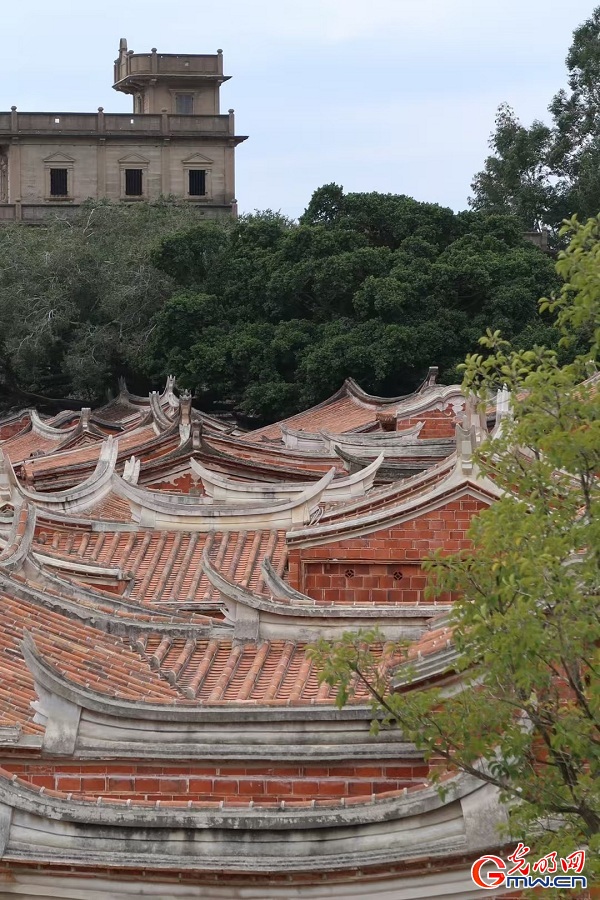
Photo taken on Dec. 24, 2024 shows the distinctive architecture of Wulin Traditional Village in Fujian Province. The village dates back to the Ming and Qing dynasties, featuring 58 Minan-style official ancestral halls, 10 foreign-style buildings, 11 western-style buildings, and numerous modern residences. The village blends Minan culture, maritime heritage, and the influence of overseas Chinese communities. In 2016, it was recognized as one of China’s Traditional Villages and included in the fourth batch of the national heritage list, preserving its unique cultural and architectural legacy for future generations. (Wang Xinyuan/Guangming Picture)
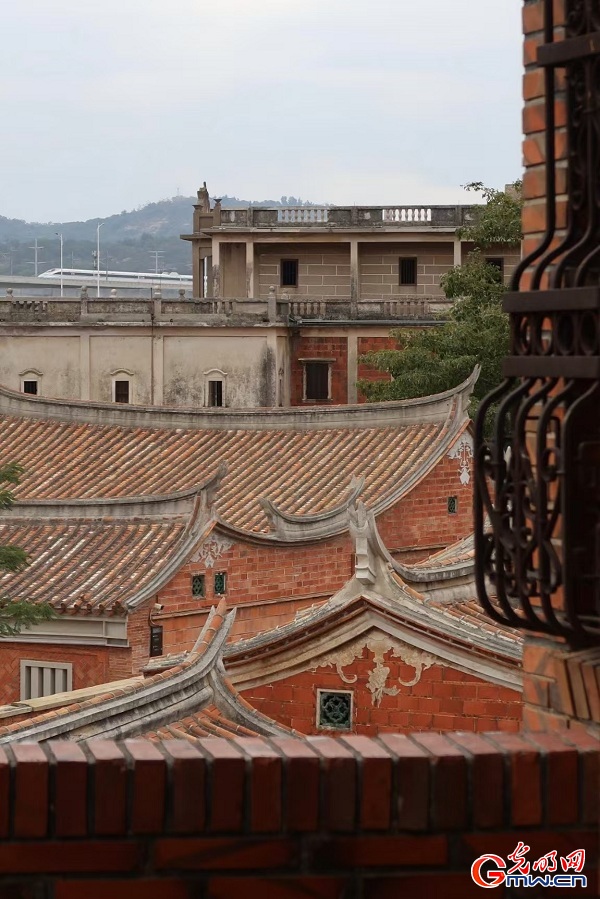
Photo taken on Dec. 24, 2024 shows the distinctive architecture of Wulin Traditional Village in Fujian Province. The village dates back to the Ming and Qing dynasties, featuring 58 Minan-style official ancestral halls, 10 foreign-style buildings, 11 western-style buildings, and numerous modern residences. The village blends Minan culture, maritime heritage, and the influence of overseas Chinese communities. In 2016, it was recognized as one of China’s Traditional Villages and included in the fourth batch of the national heritage list, preserving its unique cultural and architectural legacy for future generations. (Wang Xinyuan/Guangming Picture)
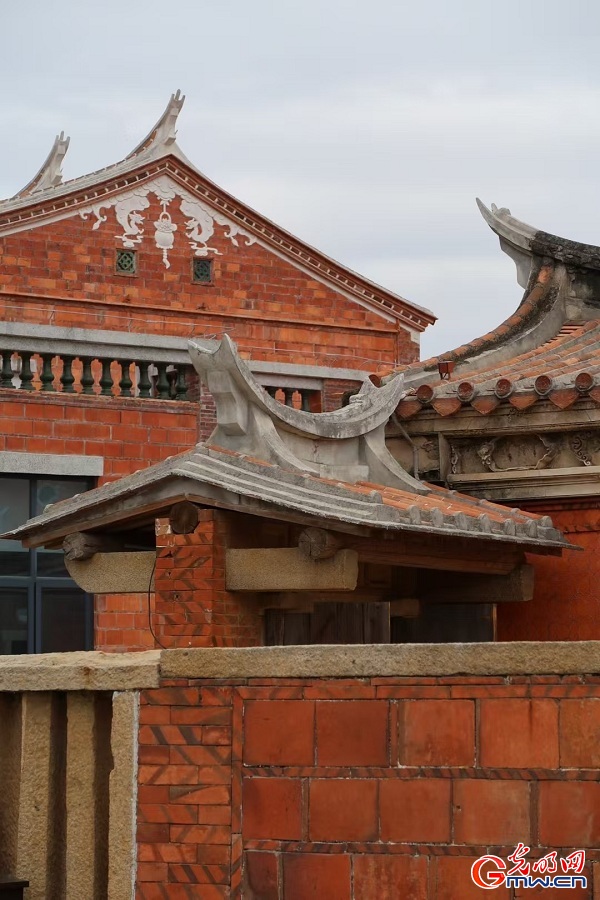
Photo taken on Dec. 24, 2024 shows the distinctive architecture of Wulin Traditional Village in Fujian Province. The village dates back to the Ming and Qing dynasties, featuring 58 Minan-style official ancestral halls, 10 foreign-style buildings, 11 western-style buildings, and numerous modern residences. The village blends Minan culture, maritime heritage, and the influence of overseas Chinese communities. In 2016, it was recognized as one of China’s Traditional Villages and included in the fourth batch of the national heritage list, preserving its unique cultural and architectural legacy for future generations. (Wang Xinyuan/Guangming Picture)
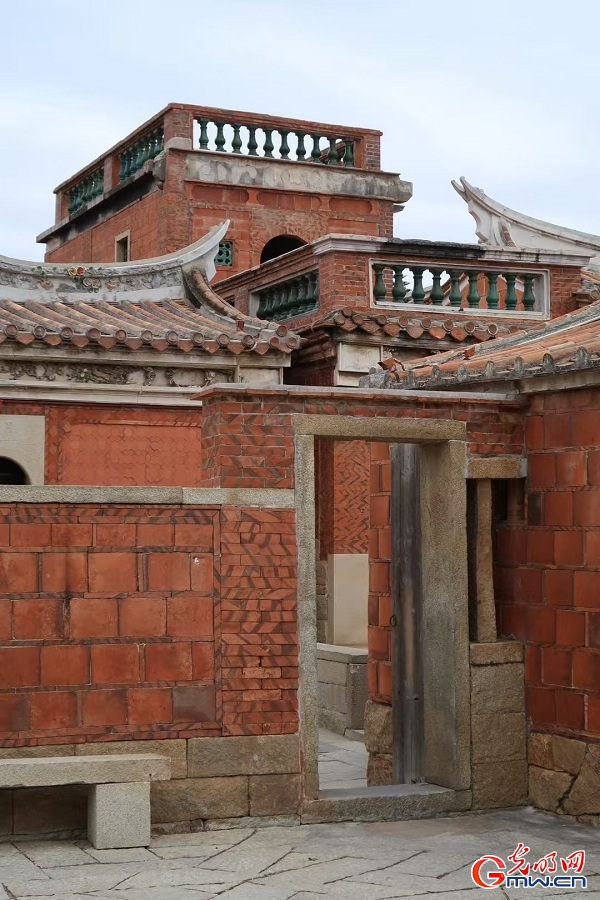
Photo taken on Dec. 24, 2024 shows the distinctive architecture of Wulin Traditional Village in Fujian Province. The village dates back to the Ming and Qing dynasties, featuring 58 Minan-style official ancestral halls, 10 foreign-style buildings, 11 western-style buildings, and numerous modern residences. The village blends Minan culture, maritime heritage, and the influence of overseas Chinese communities. In 2016, it was recognized as one of China’s Traditional Villages and included in the fourth batch of the national heritage list, preserving its unique cultural and architectural legacy for future generations. (Wang Xinyuan/Guangming Picture)
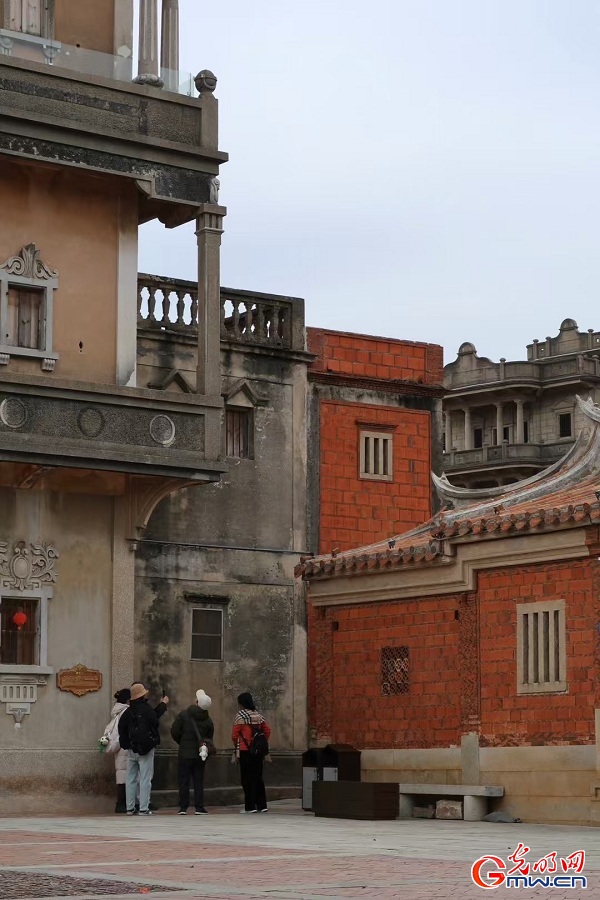
Photo taken on Dec. 24, 2024 shows the distinctive architecture of Wulin Traditional Village in Fujian Province. The village dates back to the Ming and Qing dynasties, featuring 58 Minan-style official ancestral halls, 10 foreign-style buildings, 11 western-style buildings, and numerous modern residences. The village blends Minan culture, maritime heritage, and the influence of overseas Chinese communities. In 2016, it was recognized as one of China’s Traditional Villages and included in the fourth batch of the national heritage list, preserving its unique cultural and architectural legacy for future generations. (Wang Xinyuan/Guangming Picture)
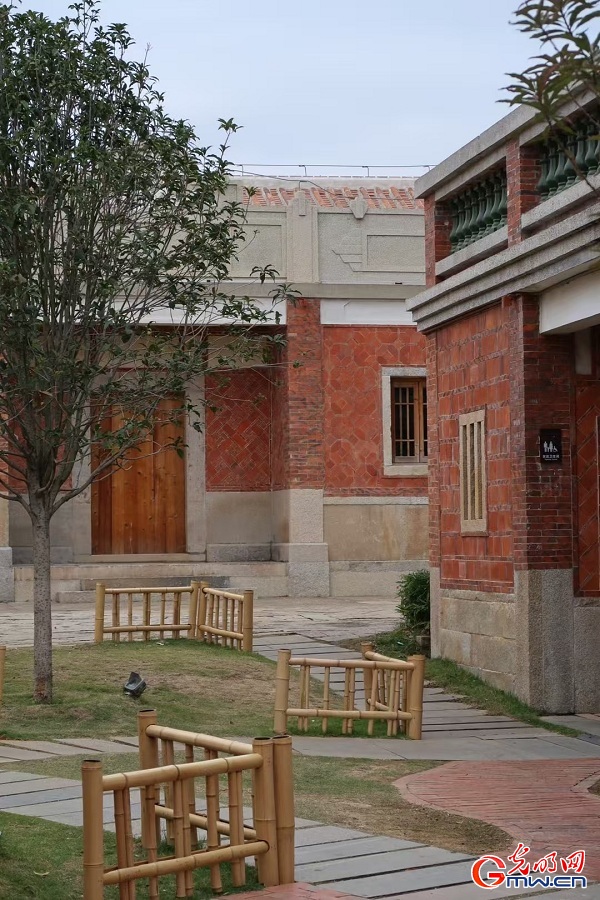
Photo taken on Dec. 24, 2024 shows the distinctive architecture of Wulin Traditional Village in Fujian Province. The village dates back to the Ming and Qing dynasties, featuring 58 Minan-style official ancestral halls, 10 foreign-style buildings, 11 western-style buildings, and numerous modern residences. The village blends Minan culture, maritime heritage, and the influence of overseas Chinese communities. In 2016, it was recognized as one of China’s Traditional Villages and included in the fourth batch of the national heritage list, preserving its unique cultural and architectural legacy for future generations. (Wang Xinyuan/Guangming Picture)
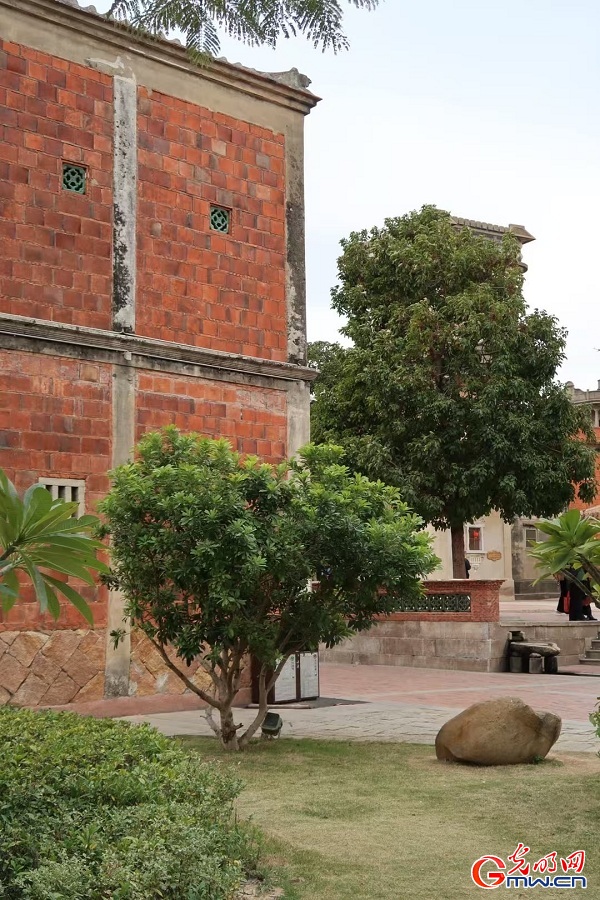
Photo taken on Dec. 24, 2024 shows the distinctive architecture of Wulin Traditional Village in Fujian Province. The village dates back to the Ming and Qing dynasties, featuring 58 Minan-style official ancestral halls, 10 foreign-style buildings, 11 western-style buildings, and numerous modern residences. The village blends Minan culture, maritime heritage, and the influence of overseas Chinese communities. In 2016, it was recognized as one of China’s Traditional Villages and included in the fourth batch of the national heritage list, preserving its unique cultural and architectural legacy for future generations. (Wang Xinyuan/Guangming Picture)
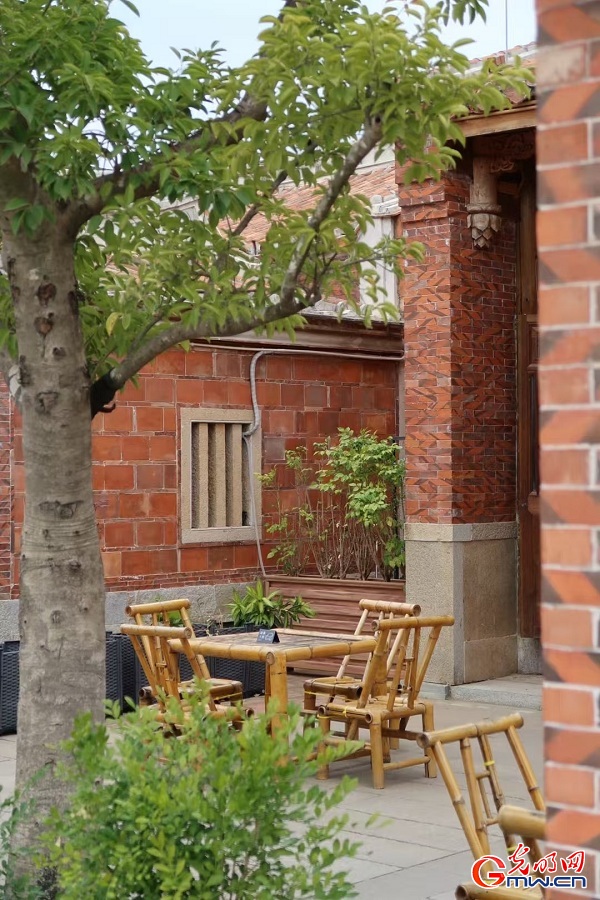
Photo taken on Dec. 24, 2024 shows the distinctive architecture of Wulin Traditional Village in Fujian Province. The village dates back to the Ming and Qing dynasties, featuring 58 Minan-style official ancestral halls, 10 foreign-style buildings, 11 western-style buildings, and numerous modern residences. The village blends Minan culture, maritime heritage, and the influence of overseas Chinese communities. In 2016, it was recognized as one of China’s Traditional Villages and included in the fourth batch of the national heritage list, preserving its unique cultural and architectural legacy for future generations. (Wang Xinyuan/Guangming Picture)
点击右上角 微信好友
微信好友
 朋友圈
朋友圈

请使用浏览器分享功能进行分享