

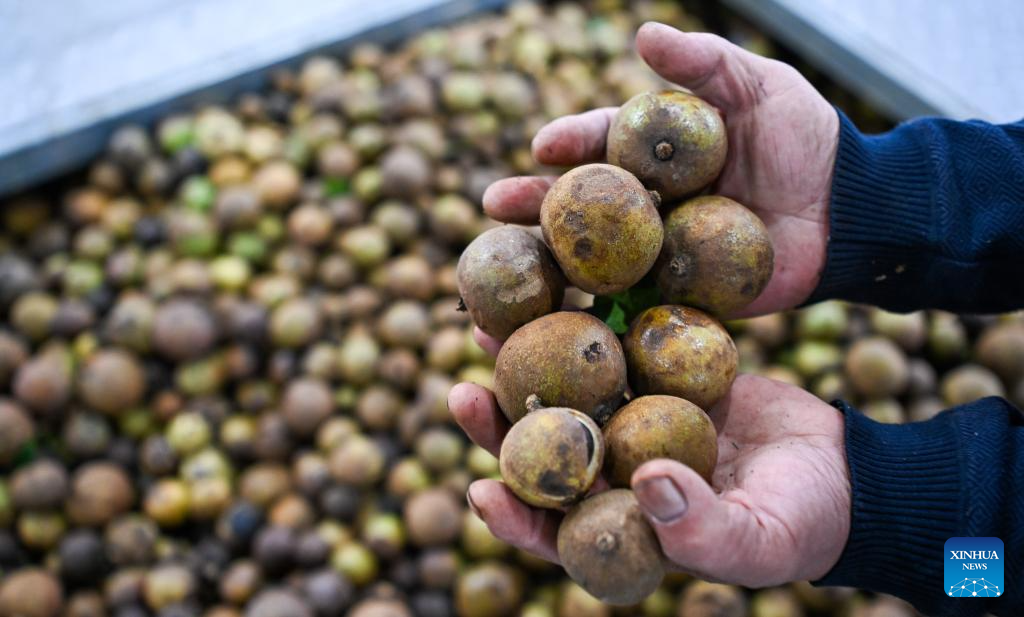
Fruits of oil-tea camellia are pictured at a workshop of an biotechnology company in Bangxi Town of Baisha Li Autonomous County, south China's Hainan Province, Nov. 19, 2025. In recent years, Baisha Li Autonomous County has been deeply tapping into the potential of namely rubber, tea and oil-tea camellia, three of its signature industrial crops, to boost local economy. Reports show that the planting area of the these crops in Baisha reached 1.1605 million mu (about 77,367 hectares) by 2014, with an output value of approximately 2 billion yuan (282.5 million U.S. dollars). (Xinhua/Yang Guanyu)
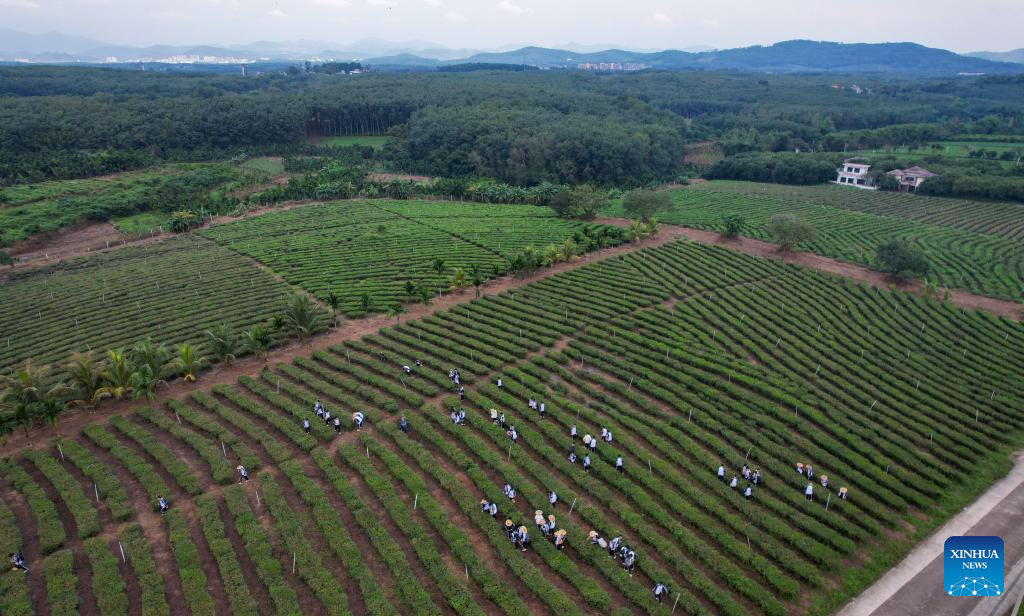
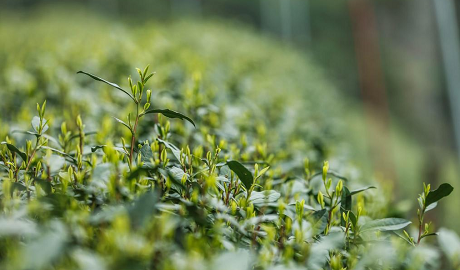
An aerial drone photo shows students try their hands picking tea leaves at a tea garden in Baisha Li Autonomous County, south China's Hainan Province, Nov. 20, 2025. In recent years, Baisha Li Autonomous County has been deeply tapping into the potential of namely rubber, tea and oil-tea camellia, three of its signature industrial crops, to boost local economy. Reports show that the planting area of the these crops in Baisha reached 1.1605 million mu (about 77,367 hectares) by 2014, with an output value of approximately 2 billion yuan (282.5 million U.S. dollars). (Xinhua/Yang Guanyu)
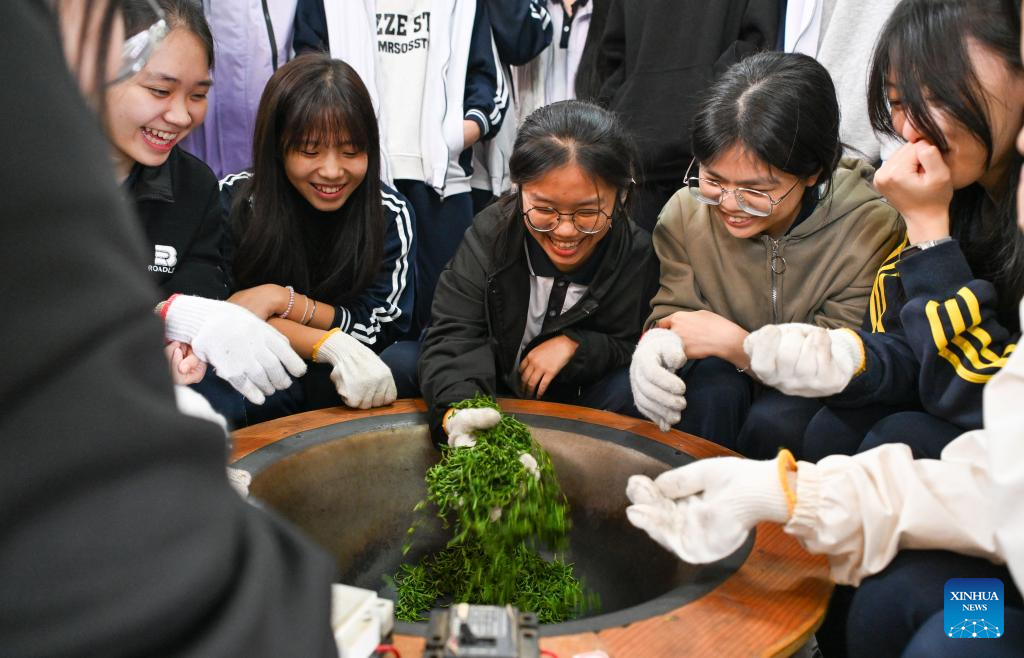
Students try their hands roasting fresh tea leaves at a tea garden in Baisha Li Autonomous County, south China's Hainan Province, Nov. 20, 2025. In recent years, Baisha Li Autonomous County has been deeply tapping into the potential of namely rubber, tea and oil-tea camellia, three of its signature industrial crops, to boost local economy. Reports show that the planting area of the these crops in Baisha reached 1.1605 million mu (about 77,367 hectares) by 2014, with an output value of approximately 2 billion yuan (282.5 million U.S. dollars). (Xinhua/Yang Guanyu)
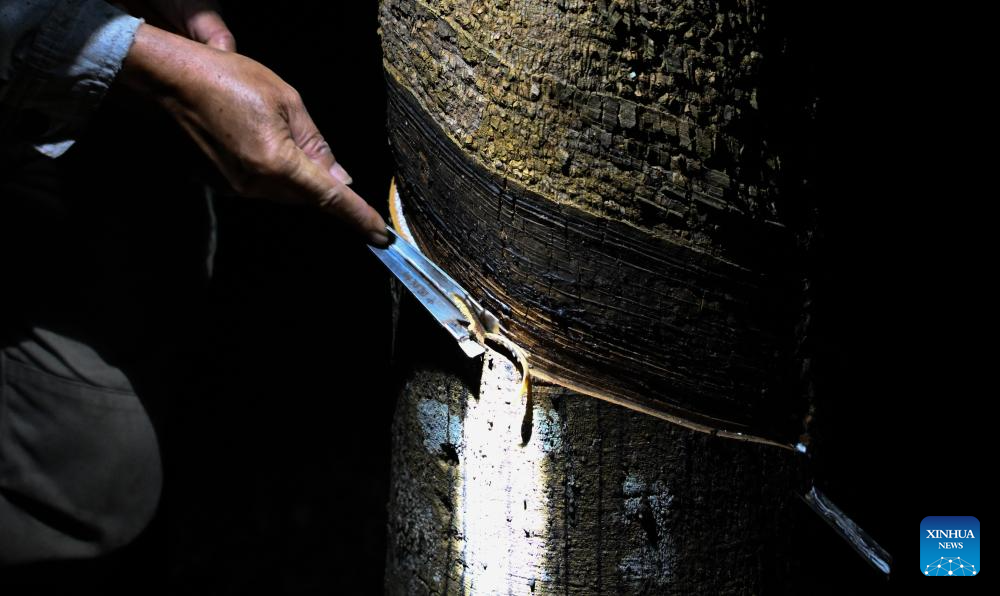
A farmer taps a rubber tree at Xingaofeng Village of Baisha Li Autonomous County, south China's Hainan Province, Nov. 19, 2025. In recent years, Baisha Li Autonomous County has been deeply tapping into the potential of namely rubber, tea and oil-tea camellia, three of its signature industrial crops, to boost local economy. Reports show that the planting area of the these crops in Baisha reached 1.1605 million mu (about 77,367 hectares) by 2014, with an output value of approximately 2 billion yuan (282.5 million U.S. dollars). (Xinhua/Yang Guanyu)
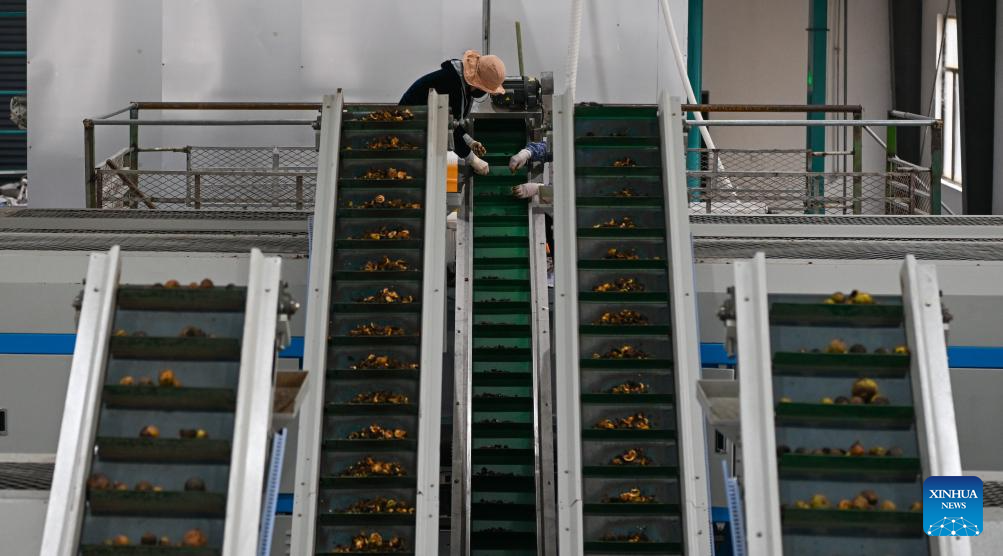
Workers process the fruits of oil-tea camellia at a workshop of an biotechnology company in Bangxi Town of Baisha Li Autonomous County, south China's Hainan Province, Nov. 19, 2025. In recent years, Baisha Li Autonomous County has been deeply tapping into the potential of namely rubber, tea and oil-tea camellia, three of its signature industrial crops, to boost local economy. Reports show that the planting area of the these crops in Baisha reached 1.1605 million mu (about 77,367 hectares) by 2014, with an output value of approximately 2 billion yuan (282.5 million U.S. dollars). (Xinhua/Yang Guanyu)
点击右上角 微信好友
微信好友
 朋友圈
朋友圈

请使用浏览器分享功能进行分享