

“One girl can lift a village; one village can protect a flyway.”
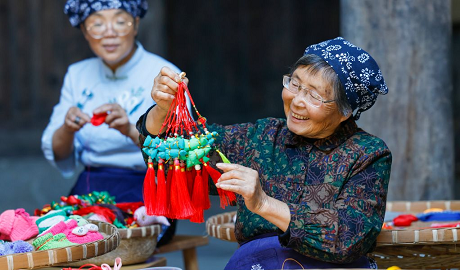
In Chongming Dongtan in Eastern China, this belief takes root among women artisans who inherited centuries-old reed techniques. They gather community women to teach them the skills of their grandmothers—but also the science of wetlands, the stories of migrating birds, and the power of turning tradition into sustainable opportunity.
With the support of UNDP-GEF Flyway Conservation Network Project (GEF project), these women artisans are not only safeguarding intangible cultural heritage; they are leading a new generation of wetland guardians. From mother to daughter, craft to conservation, village to flyway—their impact stretches far beyond the workshops, reaching migratory birds across continents.
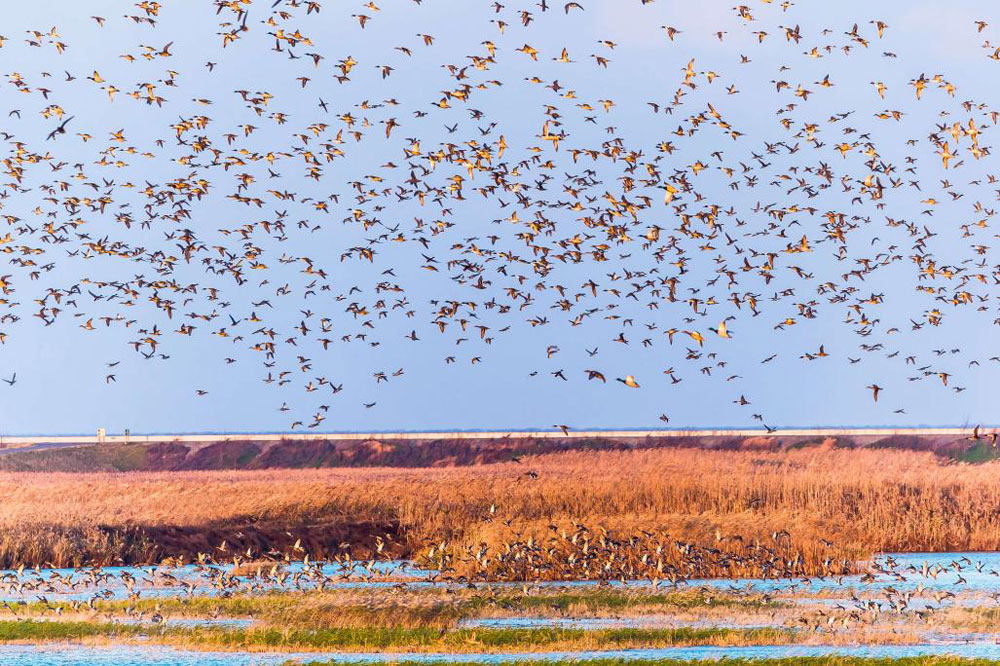
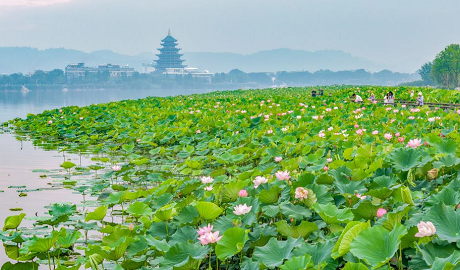
The Chongming Dongtan Wetland (Photo provide to Guangming Online)
Where Birds, Reeds, and Community Converge
The Chongming Dongtan National Nature Reserve (Chongming Dongtan NNR) at the mouth of the Yangtze River in Shanghai’s Chongming District, is vital for migratory shorebirds and waders. Covering 241.55 square kilometers, it is nominated as part of the Yellow (Bohai) Sea Migratory Bird Habitat World Heritage Site in July 2024, highlighting its global importance for 33 threatened waterbird species.
Reeds make up 70% of Chongming Dongtan NNR’s vegetation. They stabilize embankments, filter water, and provide habitats for various wildlife species. But they also grow fast. Too fast. For decades, commercial paper mills bought reeds and kept the wetland in balance. When new environmental regulations shut down those mills, the reserve was left with costly, labor-intensive reed removal. The reserve paid laborers to cut and treat reeds each year. This costly process strained conservation resources and yielded no benefits from the biomass, requesting innovative solutions.
It was then that a new question emerged: can reeds be better utilized to help conserve the wetland?
Investing in Women and Wetlands
The UNDP-GEF Flyway Conservation Network GEF Project saw the answer clearly: Yes—if women were centered in the solution. Launched in May 2021, this landmark $10 million biodiversity conservation initiative represents the largest standalone GEF 7 biodiversity conservation project in China.
As one of the four GEF project demonstration sites, the Chongming Dongtan NNR recognizes the opportunity to pioneer gender-responsive conservation that could address multiple challenges simultaneously. Given that more women than men live in the surrounding communities due to the common male migration patterns from rural to urban areas in China, any sustainable solution needs to intentionally engage women as primary participants.
With the advocacy and capacity building efforts, the Chongming Dongtan NNR showcased innovative and locally led solutions that can simultaneously advance environmental protection, economic development, and gender equality. The reserve launched the Sustainable Reed Utilization Initiative in surrounding communities in 2022 as a demonstration pilot. The pilot focused on local women, turning reeds from disposal into resources. The initiative offered training in handicrafts, product development, entrepreneurship, and market access. Through the “Reed Shoe Revival Plan” and “Reed Artisan Guardian Plan”, local women took on key conservation roles. This successful engagement sets the stage for highlighting the women leading these efforts, especially as the initiative continues into subsequent years.
Three Women, One Vision: Reviving Reeds, Culture, and a Home
The GEF project’s gender-responsive approach empowered local women to lead. Three women returned home to make a difference: Yi Shi grew up in Chenjia Town, an adjunct village of the Chongming Dongtan NNR, after a decade in media, and returned home for social entrepreneurship; Peipei, also a native, brought expertise as a senior planner and certified nature educator; and Hong Wang, a former fashion designer and handicraft expert, moved to the region with her husband and joined.
With support from the GEF Project and Chongming Dongtan NNR, these women founded Jiang Yi Wei(江一苇), a social enterprise focusing on the sustainable utilization of reeds. United by their hometown commitment and passion for protecting reeds and birds, their shared vision is “Cross the river on one reed, ten thousand birds return to nest; protect migratory birds, protect the future”.
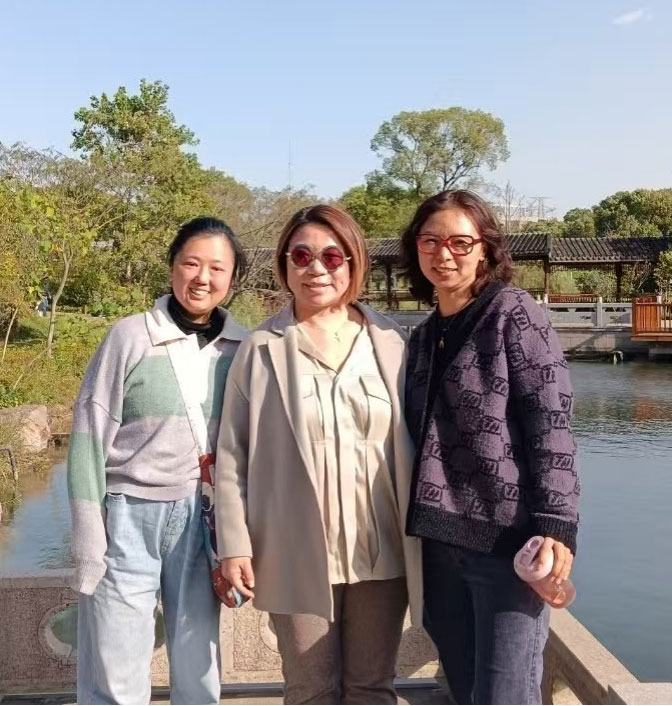
Jiang Yi Wei founders (left to right): Hong Wang, Peipei, and ,Shi Yi,, three women who led a conservation-linked social enterprise with support from the UNDP-GEF Flyway Conservation Network Project (Photo provide to Guangming Online)
Partnering with the GEF project in 2022, Jiang Yi Wei, received financial and technical support from the project, developed operational infrastructure, implemented reed handicraft training, developed various reed-themed programs, and secured market partners. Over 200 women were trained, new livelihoods were created, and conservation awareness increased. Their Youth Center and the “Read by Reed” workshop now drive local engagement and skill-building.
Building Capacity: Training Women Artisans
The GEF project provided hands-on training to women in surrounding communities, with a focus on middle-aged and senior women. Currently, over 120 women are trained in reed handicrafts, mastering both traditional and modern techniques to create marketable products. They blended traditional knowledge with new techniques. Many report more income and pride in their skills.
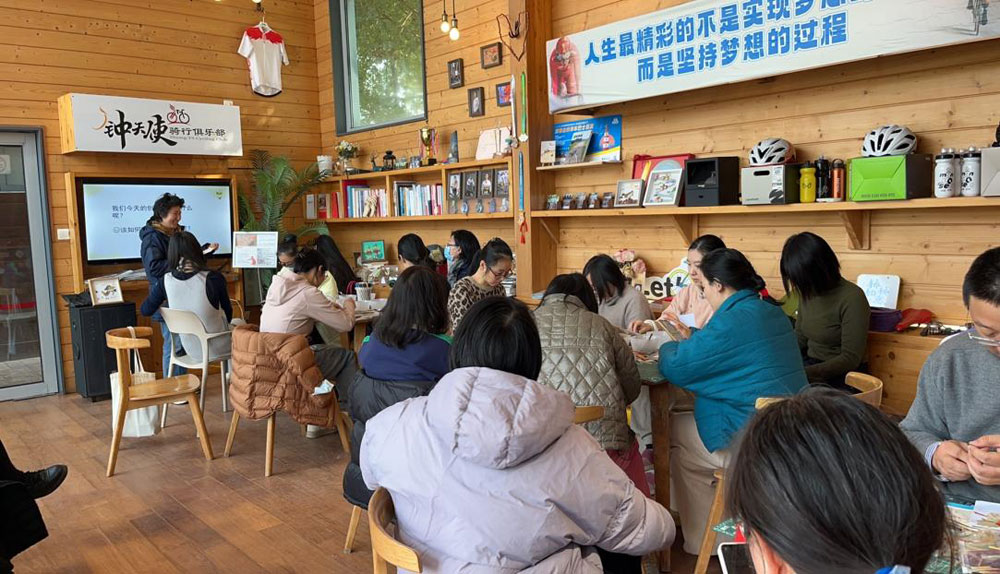
Women from surrounding communities learn reed handicraft techniques at training sessions supported by the UNDP-GEF Flyway Conservation Network Project. (Photo provide to Guangming Online)
The training topics also covered wetland ecology, conservation, and the role of reeds in bird habitats. This capacity development initiative supported Saiping Yang to gain formal recognition as an inheritor of Chongming’s intangible cultural heritage. She is now a representative of Reed Handicrafts.
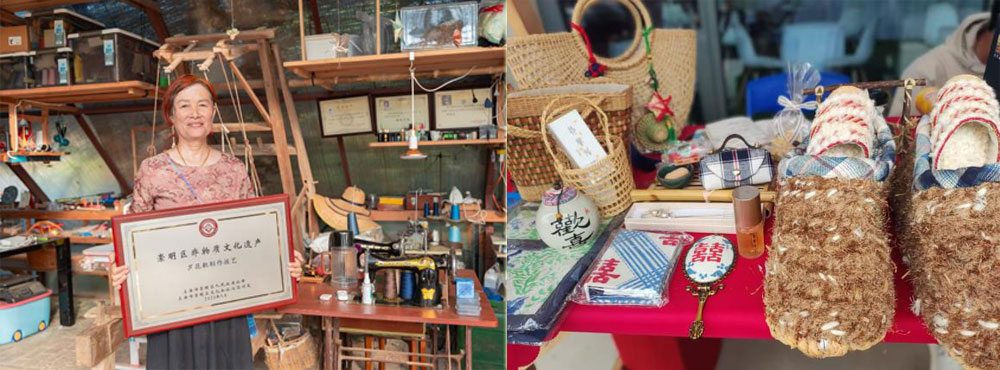
Saiping Yang, recognized as an Intangible Cultural Heritage inheritor for “Reed Flower Boot Making Technique”, demonstrates traditional skills while training the next generation of artisans. (Photo provide to Guangming Online)
Master artisan Zhang Ping, an inheritor of the Chongming’s earth cloth heritage, led the women of Chenjia Town in making reed lamps. She demonstrated how artisans can utilize traditional skills for modern markets while maintaining artistic creativity.
The initiative collaborated with Chongming District government to secure matching funds for the renovation of the Fuxu Village community center. This space now hosts handicraft training, production, and education. Women built strong relationships, met often, and grew together. These changes reduced rural isolation, improved quality of life, and created more economic opportunities.
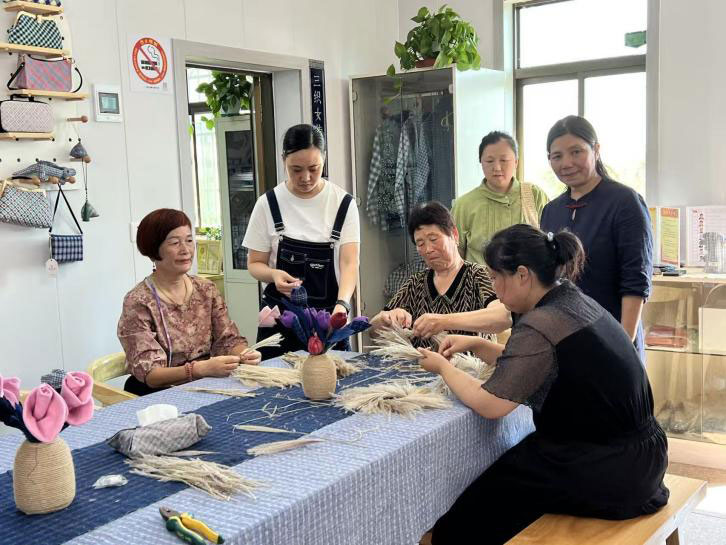
Women working and socializing together at the center (Photo provide to Guangming Online)
Creating Markets: From Crafts to Commerce
As the local wetland becomes an international tourism destination, Jiang Yi Wei took a led in creating a market for locally made reed souvenirs. Alongside reviving the traditional craft of reed flower shoes, Jiang Yi Wei has introduced and promoted a range of innovative, wetland-themed products. Women now create reed collage paintings, lamps, wind chimes, and cultural goods that not only generate income but also educate consumers about wetland conservation. Building on this success, Jiang Yi Wei intends to launch a “Bird-Friendly Products” initiative to encourage broader public engagement and support for wetland protection.
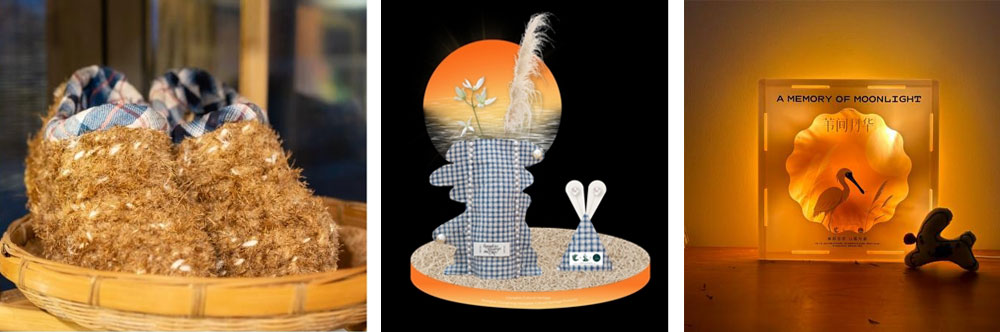
Contemporary reed lamps, and reed art work (Photo provide to Guangming Online)
Those products reached beyond local markets. Reed collage art was featured at the “Shanghai-Style Jiangnan” exhibition in the Shanghai Urban Planning Exhibition Hall, drawing large crowds of families. Children created bird images from reeds with the help of Wang Hong, one of the three founders. One mother said, “I never imagined reeds could become vivid pictures. My child brought home a self-made gift and is now more interested in birds and wetlands.”
In addition, after reeds handicraft training supported by GEF Project, one woman turned her noodle restaurant in Huapiao Village into a reed-themed business, using reeds as decoration, selling reed flower shoes, attracting more customers, and increasing earnings. This demonstrates how women can incorporate conservation products to achieve tangible benefits.
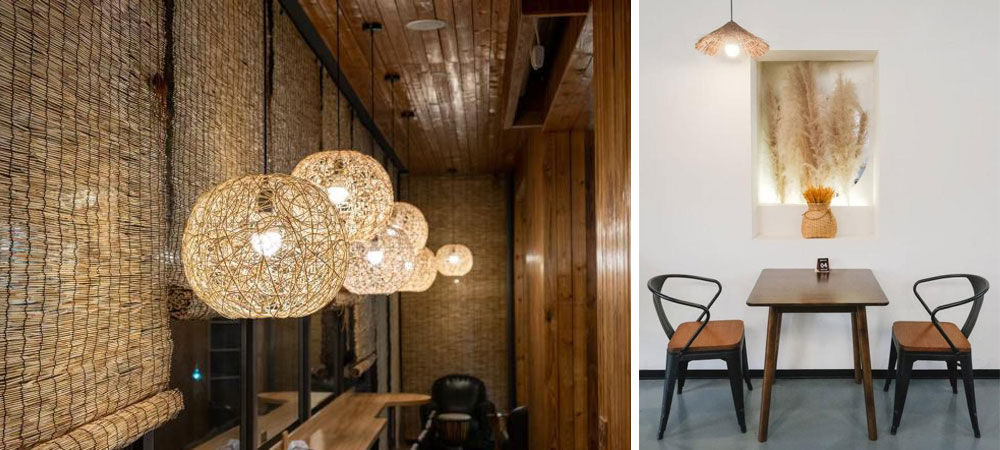
The noodle place showcases an interior decorated with reeds (Photo provide to Guangming Online)
Building on its early success, Jiang Yi Wei partnered with prominent businesses, including NIO Automobile, Zeiss Lenses, 217 Kids Club, and Shanghai SK Building. Building on the curriculum, venue, and community model, they conducted ecological experiences and lectures that increased knowledge of wetland and bird conservation. The community center hosts at least 12 events yearly, reaching over 100,000 people online and offline.
Innovating Education: Reeds as Teaching Tools
Jiang Yi Wei developed immersive nature education centered on reeds and trained 20 female nature educators, recognizing the lasting need for conservation and attitude change. Wang Hong created themed nature education courses, such as “Dongtan Rare Birds”, “Dongtan Wetland Landscapes”, and “Twenty-Four Solar Terms”, which featured iconic species and typical landscapes to make nature education more engaging. In partnership with the Chongming Dongtan NNR, Jiang Yi Wei implemented ten reed painting nature education courses and organized exhibitions of reed paintings and handicrafts, raising awareness of wetland conservation.
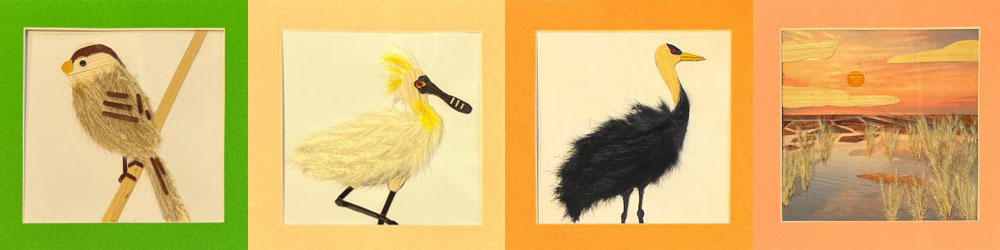
Reed collage artwork featuring Dongtan’s iconic migratory birds serves as both an educational tool and a marketable product (Photo provide to Guangming Online)
These educational initiatives created demand for reed products, generated income for women artisans, raised awareness about conservation, and fostered appreciation for traditional ecological knowledge. Children who learned about wetlands through reed art became ambassadors to their families, expanding the project's impact.
Pushing Boundaries: From Crafts to Construction Materials
Jiang Yi Wei expanded their vision beyond handicrafts, recognizing that sustainable reed utilization requires scaling up to meet the needs of urban construction materials. They began developing lightweight, low-carbon bricks and panels that retain natural textures. These materials create new opportunities for using reeds in high-value sectors and may transform how urban renewal projects source sustainable materials.
Looking ahead, they plan to focus on public demonstration projects, such as supplying reed panels for urban renewal and collaborating with art institutions on ecological installations. These high-visibility applications will showcase reeds in new ways.
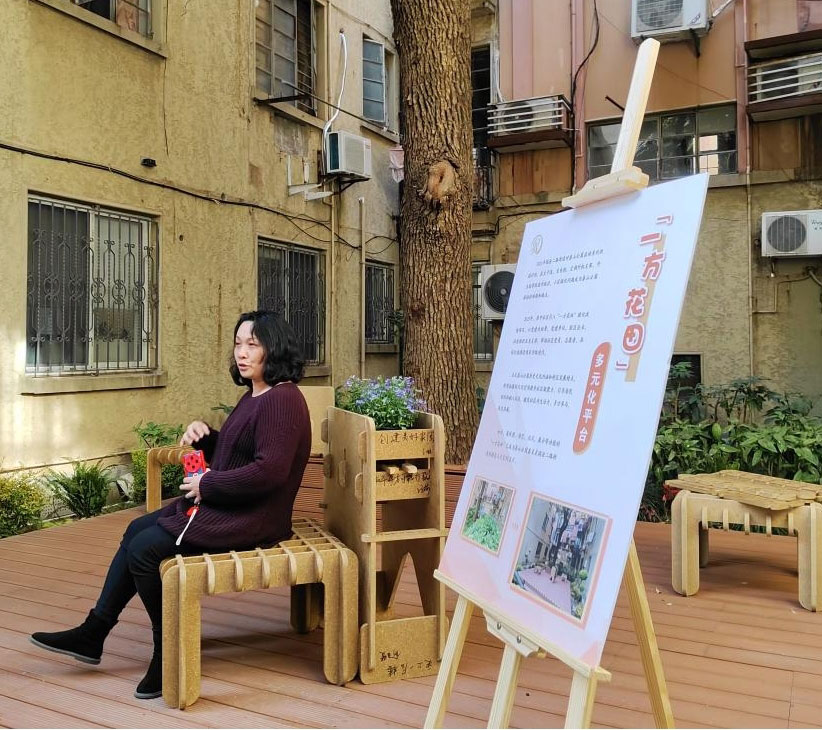
“The Chair Back” ——the installation made of reeds panels (Photo provide to Guangming Online)
Measuring Impact: Conservation Meets Empowerment
By turning harvested reeds from disposal into an income source, the initiative created economic opportunities for rural women while protecting vital wetlands for migratory birds. This demonstrates that conservation and livelihoods can thrive together.
Through training in traditional reed crafts and business skills, participants gained income, confidence, and community connections. Women started their own reed-themed businesses. Rural innovation spaces reduced village isolation, creating hubs for knowledge sharing and mutual support among women.
Notably, three young women chose to return home instead of migrating to cities, building successful businesses that showed rural life can offer prosperity and purpose. By connecting with urban markets, these social entrepreneurs became cultural ambassadors, sharing wetland conservation messages through each reed product they created. Their crafts, now recognized as cultural heritage, demonstrate that cultural preservation and economic innovation can advance together.
The results extended beyond individual success. As climate change and habitat loss threaten migratory species worldwide, the UNDP-GEF Flyway Conservation Network Project’s approach at Chongming Dongtan NNR demonstrates that gender-responsive conservation investments can deliver multiple benefits. The reeds of Chongming Dongtan NNR, once sold to paper mills and later buried as waste, are now transformed by women into shoes, lamps, and art, weaving together conservation, culture, and community to honor the past and build the future.
点击右上角 微信好友
微信好友
 朋友圈
朋友圈

请使用浏览器分享功能进行分享