


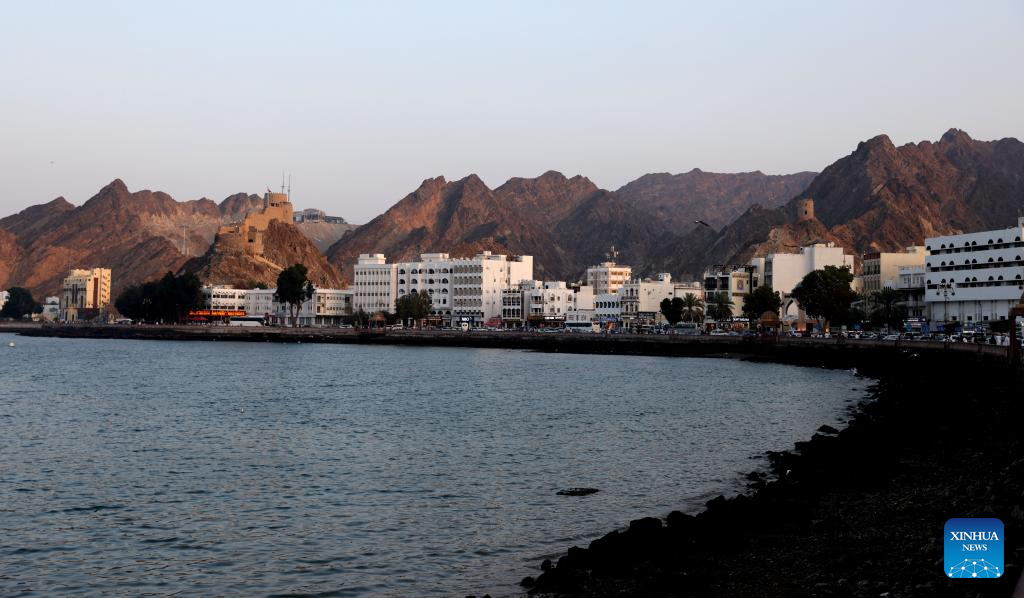
Photo taken on Feb. 5, 2026 shows a street view in Muscat, Oman. Iran and the United States are scheduled to hold talks on Friday in Muscat, Oman, amid a recent U.S. military buildup in the Middle East and Tehran's stepped-up preparations. (Photo by Khaled Moussa/Xinhua)
CAIRO, Feb. 5 (Xinhua) -- Iran and the United States are set to hold talks on Friday in Oman's capital, Muscat, officials from both sides confirmed.
The negotiations are highly anticipated amid a recent U.S. military buildup in the Middle East and Iran's stepped-up preparations.
While the two sides have agreed on the venue for the negotiations, multiple media outlets have reported that differences remain over the format and agenda, casting doubt on whether a breakthrough can be achieved.
VENUE CONFIRMED AFTER DISAGREEMENTS
On Wednesday, Iranian Foreign Minister Seyyed Abbas Araghchi announced that the talks will take place in Muscat at around 10:00 a.m. local time (0600 GMT).
Multiple media outlets later cited an anonymous White House official as affirming that the talks will proceed in Oman on Friday despite prior disputes.
The two sides had previously been reported to meet on Friday in Istanbul, Trkiye.
On Tuesday, Iran reportedly proposed moving the talks to Oman and holding them in a bilateral format focused solely on nuclear issues.
Earlier on Wednesday, U.S. media outlet Axios, citing two U.S. officials, reported that Washington had decided to reject Iran's requirement, but later reconfirmed that the talks would proceed.
Axios cited the U.S. officials as saying that at least nine Middle Eastern countries had reached out to the White House at the highest levels, strongly urging the United States not to cancel the meeting.
Omani political analyst Khalfan al-Touqi said Oman has consistently been a trusted and reliable mediator for both sides and that the country could offer a low-profile setting for sensitive negotiations.
Neither side has officially specified the format of the talks. Iran's semi-official Tasnim news agency reported Wednesday that the negotiations would be indirect, with delegations led by Araghchi and U.S. President's special envoy Steve Witkoff.
DISPUTES OVER WHAT TO NEGOTIATE
Differences remain over the scope of the talks.
The Iranian side has insisted that the talks must be limited to nuclear issues and the removal of U.S. sanctions, asserting that Iran's missile capabilities and regional activities are non-negotiable.
U.S. Secretary of State Marco Rubio, at a news conference in Washington on Wednesday, outlined a broad agenda for any "meaningful" talks, which he said must include Tehran's ballistic missiles, nuclear program, regional sponsorship of "terrorist organizations," and its treatment of its people.
Iranian President Masoud Pezeshkian said on Tuesday that he has ordered the country's foreign ministry to pursue "fair and equitable negotiations" with the United States.
On Saturday, Mohammad Eslami, president of the Atomic Energy Organization of Iran, told Iranian media that the country's nuclear program is "based on the peaceful use of technology," noting there is "no need for nuclear weapons for deterrence."
On Monday, Ali Bagheri Kani, deputy for foreign policy at the secretariat of Iran's Supreme National Security Council, said that Tehran does not intend to send its enriched nuclear materials to any other country.
Tasnim reported that the upcoming negotiations would focus solely on Iran's nuclear program and the removal of U.S. sanctions, though no U.S. official has confirmed this.
RISK OF RENEWED MILITARY ESCALATION
Tensions remain high between the United States and Iran.
On Tuesday, U.S. Central Command said a U.S. fighter jet shot down an Iranian Shahed-139 drone after it approached the aircraft carrier USS Abraham Lincoln in the Arabian Sea with unclear intent, causing no injuries or damage.
The carrier strike group was deployed to the Middle East on Jan. 26.
On Jan. 11, Iranian Parliament Speaker Mohammad Baqer Qalibaf warned that Tehran would view U.S. and Israeli bases and facilities in the Middle East as "legitimate targets" if Washington takes military action against Iran.
Last year, Iran and the United States held five rounds of indirect talks under Omani mediation. Those efforts collapsed in June after Israel carried out strikes on Iran, triggering a 12-day conflict, during which the United States bombed key Iranian nuclear sites.
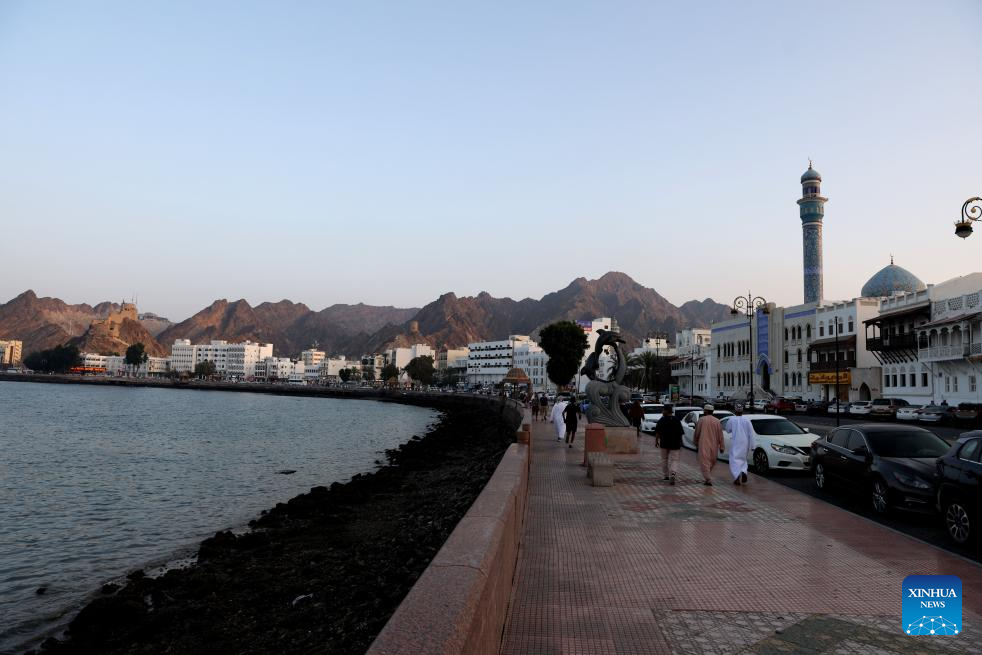
Photo taken on Feb. 5, 2026 shows a street view in Muscat, Oman. Iran and the United States are scheduled to hold talks on Friday in Muscat, Oman, amid a recent U.S. military buildup in the Middle East and Tehran's stepped-up preparations. (Photo by Khaled Moussa/Xinhua)
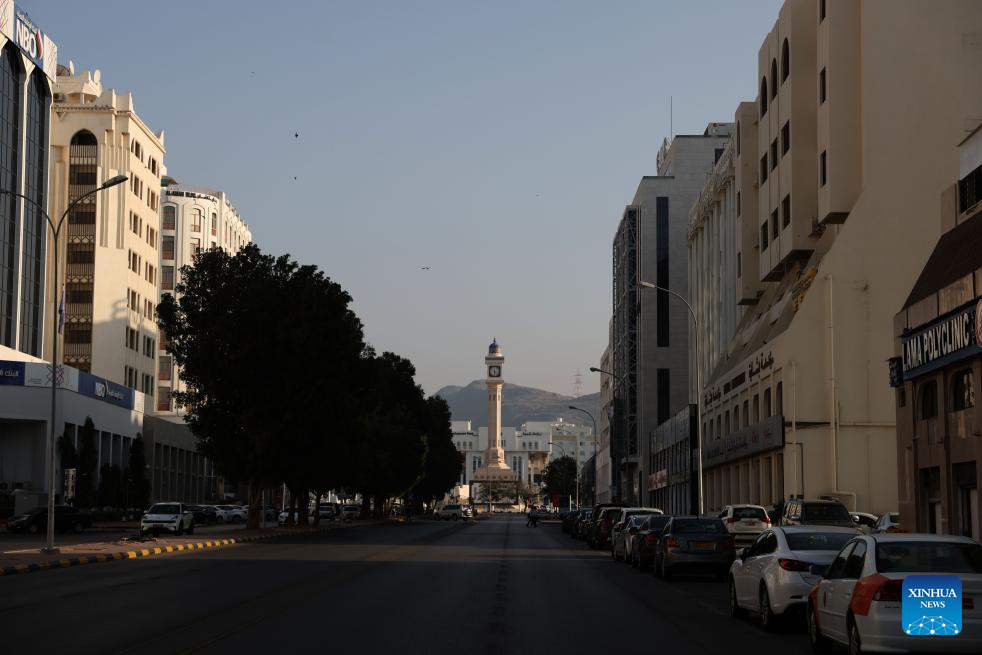
Photo taken on Feb. 5, 2026 shows a street view in Muscat, Oman. Iran and the United States are scheduled to hold talks on Friday in Muscat, Oman, amid a recent U.S. military buildup in the Middle East and Tehran's stepped-up preparations. (Photo by Khaled Moussa/Xinhua)
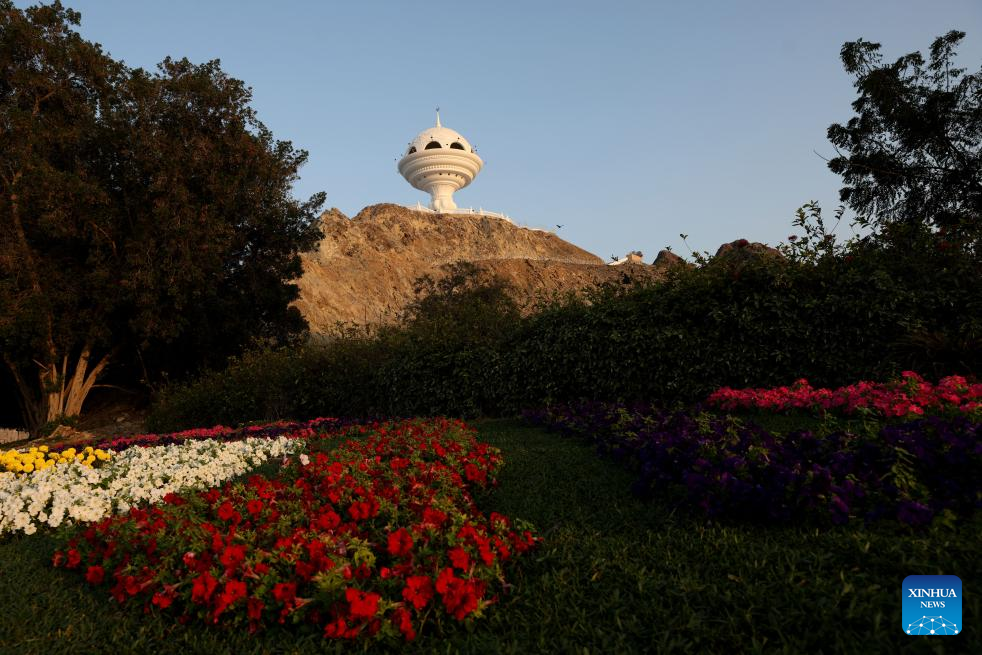
Photo taken on Feb. 5, 2026 shows a view in Muscat, Oman. Iran and the United States are scheduled to hold talks on Friday in Muscat, Oman, amid a recent U.S. military buildup in the Middle East and Tehran's stepped-up preparations. (Photo by Khaled Moussa/Xinhua)
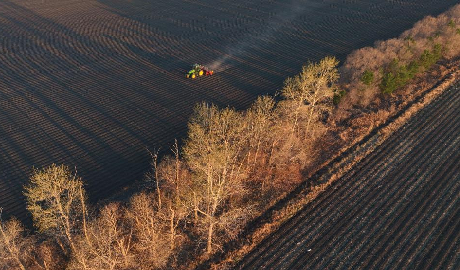
China's Heilongjiang busy with sowing operations in farming season

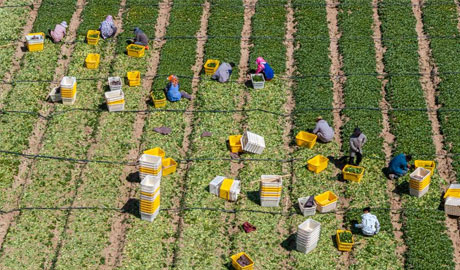
First crop of cool-season vegetables in China's Helan enters harvesting season
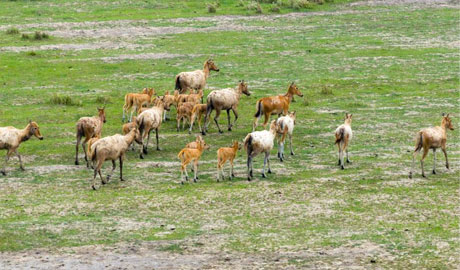
Tiaozini wetland in China's Jiangsu creates ideal habitat for milu deer

Masterpieces of Italian Renaissance exhibited at National Art Museum of China in Beijing
点击右上角 微信好友
微信好友
 朋友圈
朋友圈

请使用浏览器分享功能进行分享