

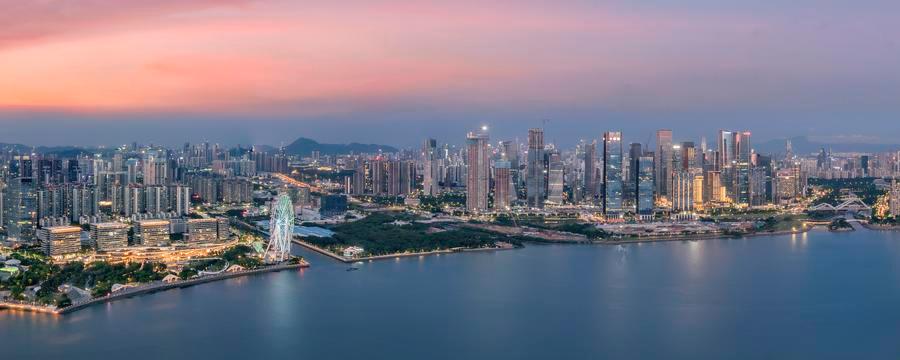
An aerial panoramic drone photo taken on July 23, 2024 shows a view of Qianhai in Shenzhen, south China's Guangdong Province. (Photo by Tong Yanlong/Xinhua)
BEIJING, Nov. 16 (Xinhua) -- Self-driving minibuses zooming through city streets, delivery drones buzzing overhead and futuristic skyscrapers dotting the skyline -- Qianhai, a reform and innovation zone in the southern Chinese city of Shenzhen, offers a vivid snapshot of China's urban future.
Back in December 2012, when Xi Jinping visited Shenzhen on his first domestic inspection tour after being elected general secretary of the Communist Party of China Central Committee, the transformation of the district's barren tidal flats was still underway.
In the years that followed, what many called a "special zone within a special zone" has evolved into an innovation hub connecting China with the wider Asia-Pacific, mirroring Shenzhen's own remarkable journey from a small fishing village to a global high-tech metropolis.
Later this week, the Chinese president is set to host leaders and representatives from APEC economies in Shenzhen, where they are expected to discuss how the Asia-Pacific can better serve as a driving force for innovation and high-quality development across the region and beyond.
SURGING TIDE
The APEC meeting is held at a time of challenges and opportunities for the global economy. While the rapid advance of frontier technologies is opening up new horizons, lackluster economic growth and mounting development hurdles continue to weigh on the global economy.
Innovation has been a recurring theme in Xi's participation in APEC meetings since his debut at the forum in 2013. In Xi's view, innovation has fueled the economic takeoff of the Asia-Pacific. He has urged APEC economies to make innovation a key driver of growth.
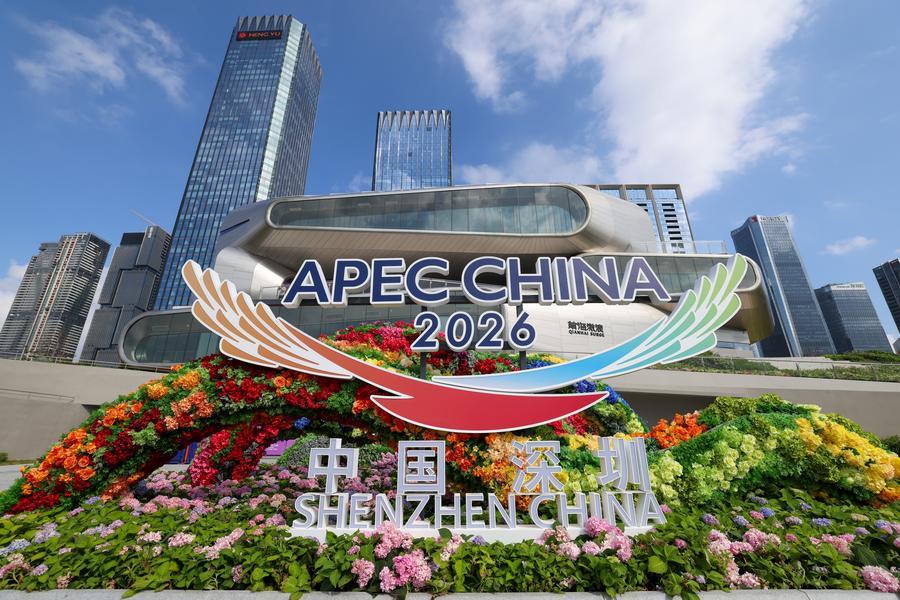
This photo taken on Nov. 3, 2026 shows an APEC-themed installation at a park in Shenzhen, south China's Guangdong Province. (Xinhua/Mao Siqian)
Riding the wave of economic globalization in the early 1990s, APEC adopted an innovative organizational model to deepen economic interdependence and explore new avenues for regional cooperation in finance, industry and digital development. Today, the Asia-Pacific remains the world's fastest-growing region and accounts for more than 60 percent of global GDP.
Innovation has also been a defining feature of China's own development under Xi's leadership. He has made innovation-powered development a national strategy, stressing that in this new round of global growth, only the reformers and innovators will emerge stronger and win.
With a keen eye on breakthroughs in frontier technologies, Xi has made frequent visits to the leading drivers of scientific and technological innovation, including incubators and industrial parks, during inspection tours across China.
He tested smart glasses, watched demonstrations of humanoid robots, and experienced newly developed domestic vehicles. Xi has called for the development of new quality productive forces, emphasizing the role of technological innovation in replacing old growth drivers and putting China's development on a more sustainable footing.
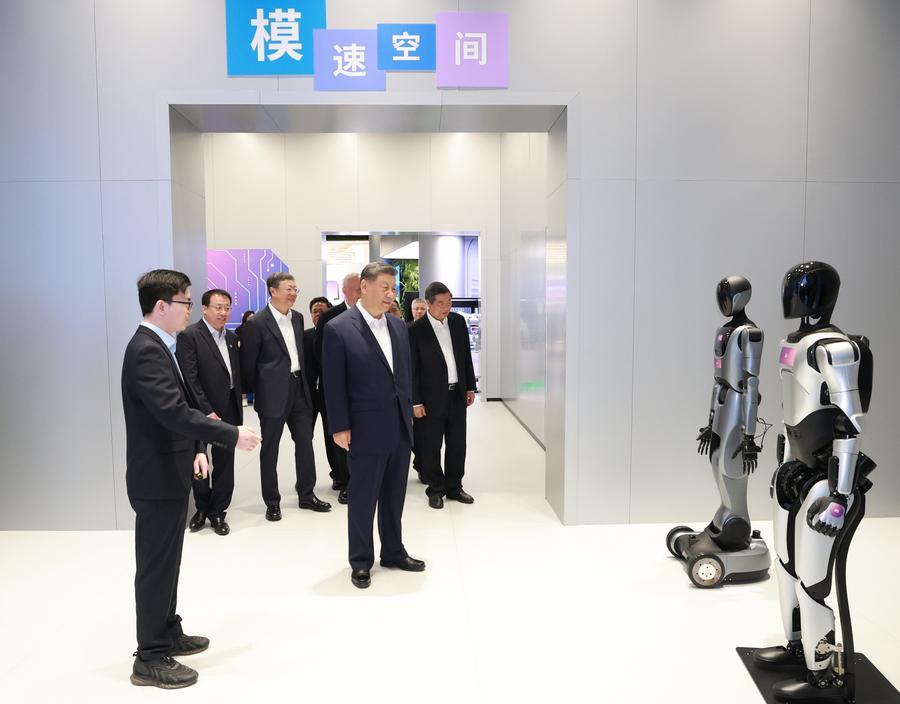
Chinese President Xi Jinping visits the Shanghai Foundation Model Innovation Center, a large-model incubator home to over 100 enterprises in Shanghai, east China, April 29, 2025. (Xinhua/Wang Ye)
Today, as the Asia-Pacific needs more than ever to tap new growth potential amid an unfolding technological revolution, Xi has encouraged APEC economies to boldly ride the crest of the innovation wave.
"We should fully harness new technologies to empower and propel us forward," he told the APEC meeting in Gyeongju, South Korea, last year.
Xi believes that the Asia-Pacific should "remain the locomotive of economic globalization in the future." Facing profound changes in global dynamics, regional economies "cannot afford to be just onlookers."
Shenzhen, a showcase of China's innovation-driven development, will provide a fitting backdrop for discussions among APEC members on advancing innovation across the region.
China's role as "an important source of investment and technology and a key hub of regional supply chains is increasingly shaping economic opportunities across the Asia-Pacific," said Haiping Zhang, director of the New Zealand APEC Study Center at the University of Auckland.
"FERTILE GROUND"
In Xi's view, the Asia-Pacific should become "a fertile ground for scientific breakthroughs and a pacesetter for innovation." That requires the region to accelerate the digital, intelligent and green transformation of its economies.
Xi has committed to advancing this transformation by deepening cooperation in technology between China and other APEC economies.
During his Southeast Asia tour in April 2025, two of the three destinations -- Malaysia and Vietnam -- are APEC economies. Xi reached agreements with both countries to deepen cooperation in frontier areas, including the digital economy and artificial intelligence, and to promote exchanges between research institutions and businesses.
In fact, local communities in APEC economies are already benefiting from Chinese technology. In Johor state, Malaysia, farmers can predict the growth of durians with an AI system to improve operational efficiency. With the system jointly developed with Xiamen University Malaysia, an overseas campus of a Chinese university, durians can reach Chinese consumers just 36 hours after harvest.
Across the Pacific, the Chancay Port on Peru's coast is serving as a green, smart gateway linking Latin America and Asia not merely through shipping routes, but also by the application of advanced technologies.
A project directly promoted by Xi, the port was inaugurated in November 2024 during his visit to the South American country and attendance at that year's APEC gathering.
Featuring giant automated gantry cranes, low-carbon autonomous trucks and an ecologically designed shoreline, the megaport has handled more than 3.6 billion U.S. dollars in trade and generated around 476 million dollars in tax revenue as of June this year.
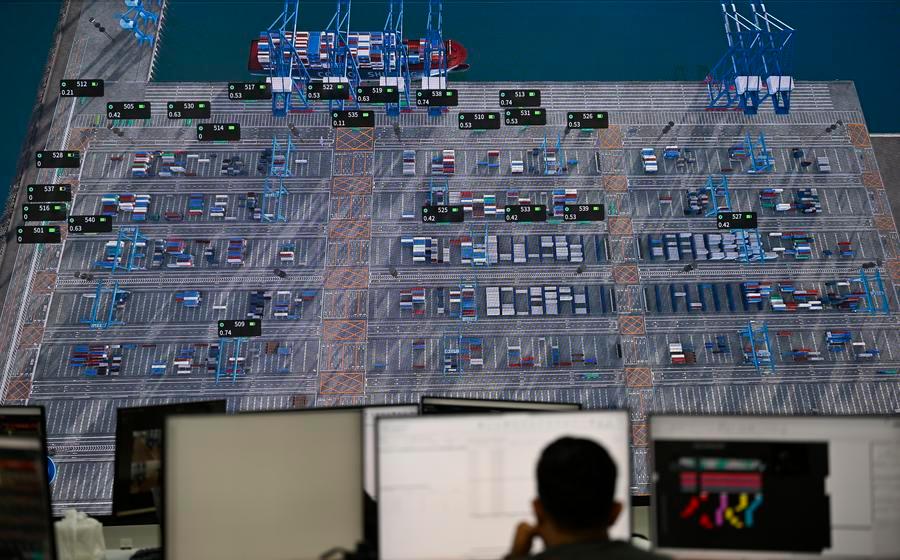
A staff member monitors the operation of Chancay Port in the operation center of COSCO Shipping Ports Chancay Peru, in Chancay, Peru, May 16, 2025. (Xinhua/Li Muzi)
Alongside efforts to advance cooperation in practical innovation, Xi has also stressed the importance of fostering an enabling environment that unleashes innovative potential and removes barriers to progress.
In July this year, China announced it would establish a center in Qianhai to promote APEC cooperation on cross-border data flows.
Xi's advocacy for building an open economic environment in the region is reflected in China's own commitment to further deepening reform and promoting high-standard opening-up.
Measures such as shortening the negative list for foreign investment and applying visa-free policies, together with connectivity initiatives, have facilitated the flow of knowledge and technologies between China and the rest of the world.
China's efforts to facilitate trade, improve logistics and infrastructure, and foster greater integration of supply and value chains can help developing economies integrate more fully into regional and international trade, said Marcela Vera, an economist at Chile's University of Santiago.
"China has placed greater emphasis on linking trade and investment with technology transfer, industrial upgrading and the extension of value chains. If such cooperation deepens further, Pacific Rim economies will be better positioned to increase the added value of their products through technological collaboration and industrialization," she added.
SYMPHONY FOR ALL
The sweeping new scientific revolution and industrial transformation underway are having a profound impact on modes of production, ways of life and human values. Xi once warned that if not handled properly, the wealth gap between the North and the South could further widen.
In his view, the fruits of innovation "should benefit the entire humanity" in a fairer and more inclusive manner.
At the handover ceremony of last year's APEC meeting, Xi pledged China's readiness to "bring all parties together to advance the goal of an Asia-Pacific community."
His proposal is rooted in his vision of building an Asia-Pacific community with a shared future. Xi first articulated this notion in 2013, calling on APEC members to leverage their own development to drive the development of others and, ultimately, achieve more coordinated growth.
Xi's push for the inclusive development of AI serves as a prime example. In Xi's own words, AI development should be "a symphony of international cooperation." APEC economies have recognized the urgency of making AI development more inclusive and strengthening governance. This shared understanding was reflected in the adoption of the APEC AI Initiative at last year's meeting in South Korea.
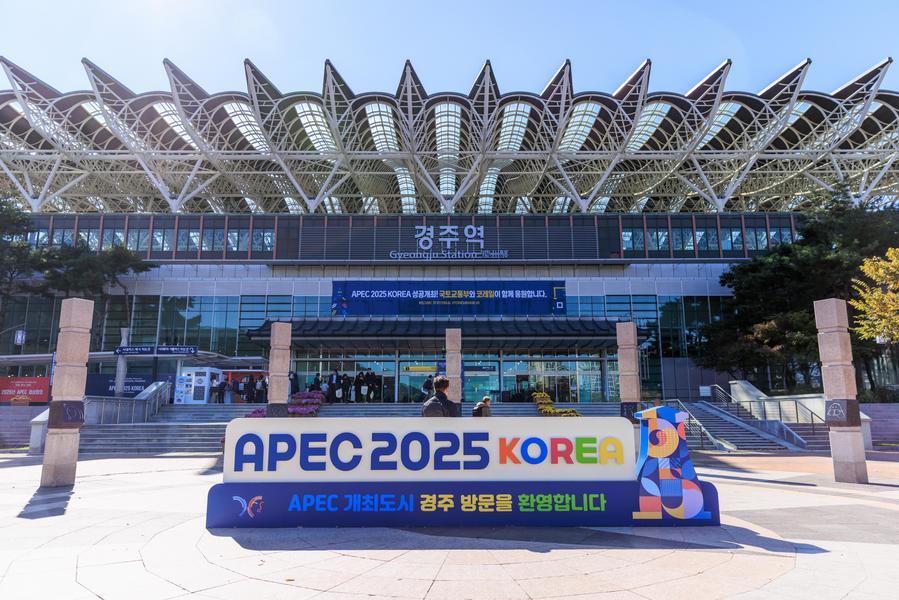
This photo taken on Oct. 28, 2025 shows a publicity installation of the 32nd Asia-Pacific Economic Cooperation Economic Leaders' Meeting in Gyeongju, South Korea. (Photo by Park Jintaek/Xinhua)
In July, Xi announced the creation of the World Artificial Intelligence Cooperation Organization, a public good for improving global AI governance, at the 2026 World AI Conference and High-Level Meeting on Global AI Governance.
"We must carry out extensive international cooperation and help Global South countries with capacity building to bridge the AI and digital divides, promote sustainable development, and prevent creating new historical injustice in AI," he said.
At the conference, Xi also offered 30 countries access to China's MAZU, an AI-powered meteorological warning system, to help narrow gaps in disaster prevention and mitigation capacity.
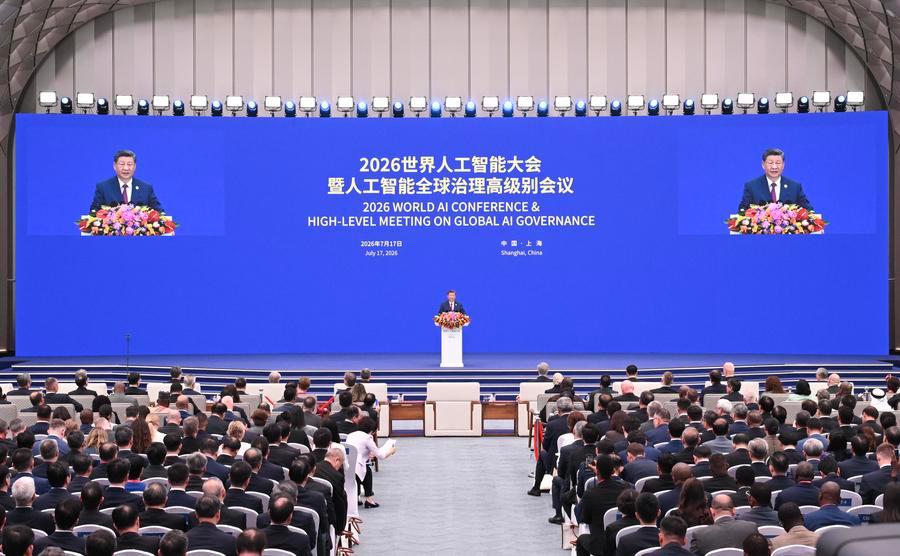
Chinese President Xi Jinping delivers a keynote speech at the opening ceremony of the 2026 World AI Conference and High-Level Meeting on Global AI Governance in Shanghai, east China, July 17, 2026. (Xinhua/Xie Huanchi)
"By enabling more countries to strengthen their capacity for development and more people to lead happier lives, the Asia-Pacific can achieve shared prosperity and offer certainty to the world," said Wirun Phichaiwongphakdee, director of the Thailand-China Research Center of the Belt and Road Initiative.
Just as Xi himself has said, "The future of Asia-Pacific belongs to each and every member of this big family."
Tangerine harvest season underway in Xinyu City, China's Jiangxi
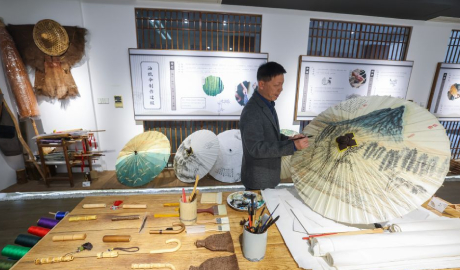
Umbrella industry thrives in Shangyu District of Shaoxing City, China's Zhejiang
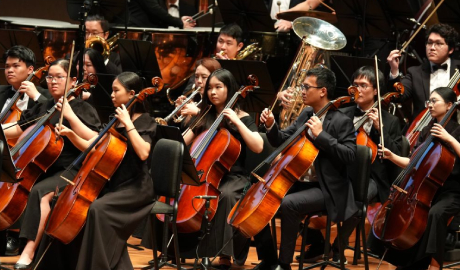
Concert held in Malaysia to mark 160th birth anniversary of Sun Yat-sen
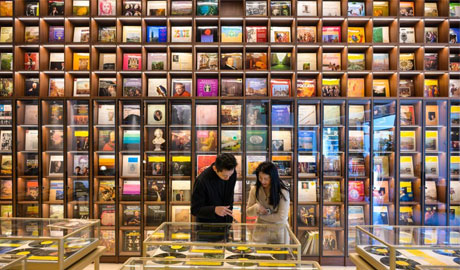
City music lounge starts trial operation in Hangzhou, China's Zhejiang

White swans from Siberian region of Russia arrive to winter at Yellow River wetland
点击右上角 微信好友
 朋友圈

请使用浏览器分享功能进行分享