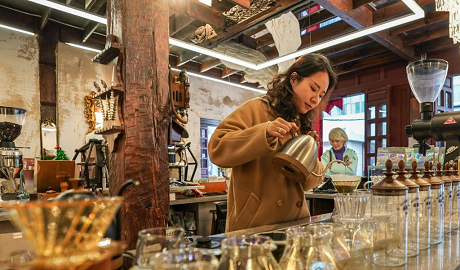



Tourists take a rest at the Cuihu Lake coffee culture center near Cuihu Lake in Kunming, southwest China's Yunnan Province, Jan. 13, 2026. Cuihu Lake is both a signature landscape of Kunming and a testament to the city's memories, surrounded by historical legacies such as the former sites of the National Southwestern Associated University and Yunnan Military Academy.
Much like other older urban neighborhoods, the vicinity of Cuihu Lake had grappled with diminishing business vitality. The pressing challenge lies in revitalizing these dormant streets while preserving their historical essence and avoiding extensive demolition and construction.
In recent years, a "cultural corridor" has been created around the lake, linking scattered historical and cultural sites while capitalizing on the thriving coffee industry. Cafe-centered boutique retail businesses have been established along this corridor, shaping an inclusive public space where people can feel free to take a walk, enjoy coffee and immerse themselves in reading. This endeavor has successfully infused the old neighborhoods with new waves of consumption. "Going to the Cuihu Lake for coffee" is now trending among local residents and tourists alike. (Xinhua/Peng Yikai)
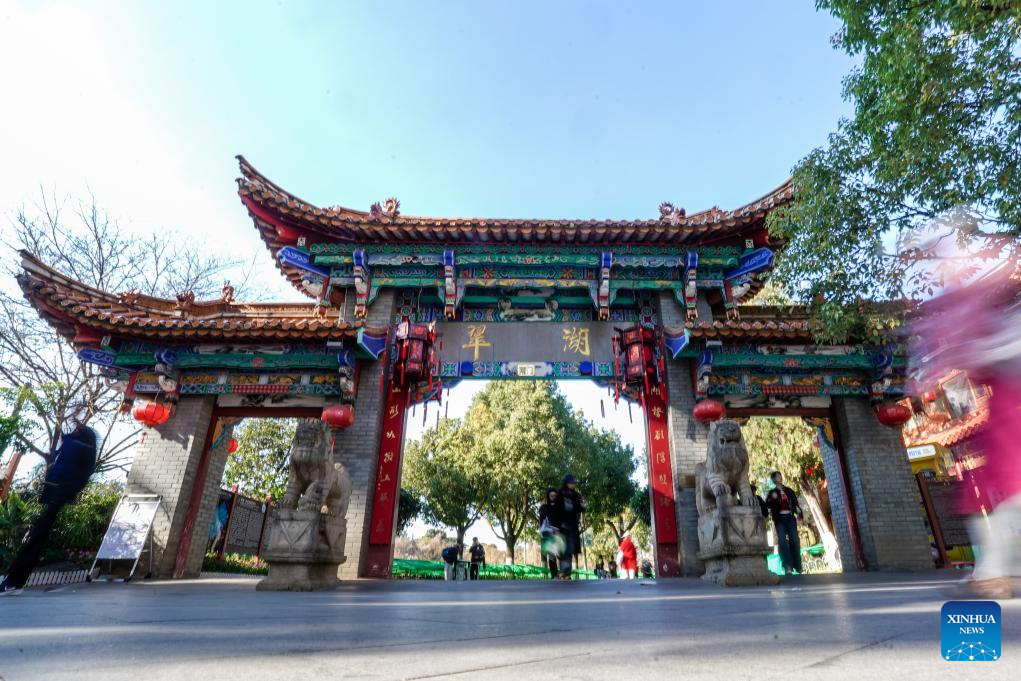
Tourists visit the Cuihu Park in Kunming, southwest China's Yunnan Province, Jan. 13, 2026. Cuihu Lake is both a signature landscape of Kunming and a testament to the city's memories, surrounded by historical legacies such as the former sites of the National Southwestern Associated University and Yunnan Military Academy.
Much like other older urban neighborhoods, the vicinity of Cuihu Lake had grappled with diminishing business vitality. The pressing challenge lies in revitalizing these dormant streets while preserving their historical essence and avoiding extensive demolition and construction.
In recent years, a "cultural corridor" has been created around the lake, linking scattered historical and cultural sites while capitalizing on the thriving coffee industry. Cafe-centered boutique retail businesses have been established along this corridor, shaping an inclusive public space where people can feel free to take a walk, enjoy coffee and immerse themselves in reading. This endeavor has successfully infused the old neighborhoods with new waves of consumption. "Going to the Cuihu Lake for coffee" is now trending among local residents and tourists alike. (Xinhua/Peng Yikai)
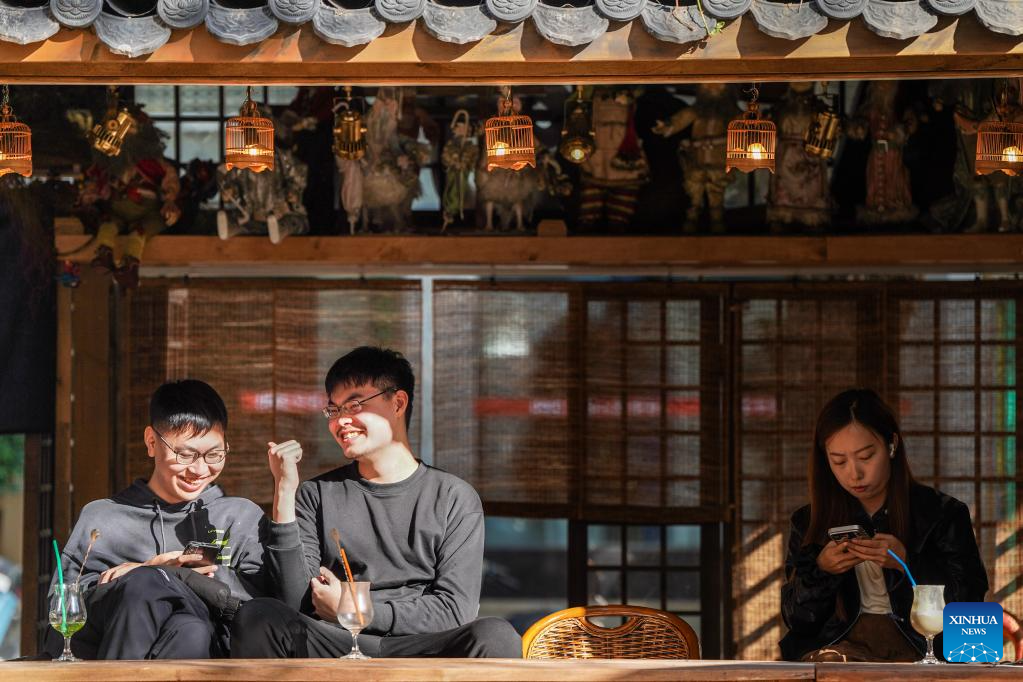
Tourists visit the Cuihu Lake coffee culture center near Cuihu Lake in Kunming, southwest China's Yunnan Province, Jan. 13, 2026. Cuihu Lake is both a signature landscape of Kunming and a testament to the city's memories, surrounded by historical legacies such as the former sites of the National Southwestern Associated University and Yunnan Military Academy.
Much like other older urban neighborhoods, the vicinity of Cuihu Lake had grappled with diminishing business vitality. The pressing challenge lies in revitalizing these dormant streets while preserving their historical essence and avoiding extensive demolition and construction.
In recent years, a "cultural corridor" has been created around the lake, linking scattered historical and cultural sites while capitalizing on the thriving coffee industry. Cafe-centered boutique retail businesses have been established along this corridor, shaping an inclusive public space where people can feel free to take a walk, enjoy coffee and immerse themselves in reading. This endeavor has successfully infused the old neighborhoods with new waves of consumption. "Going to the Cuihu Lake for coffee" is now trending among local residents and tourists alike. (Xinhua/Peng Yikai)
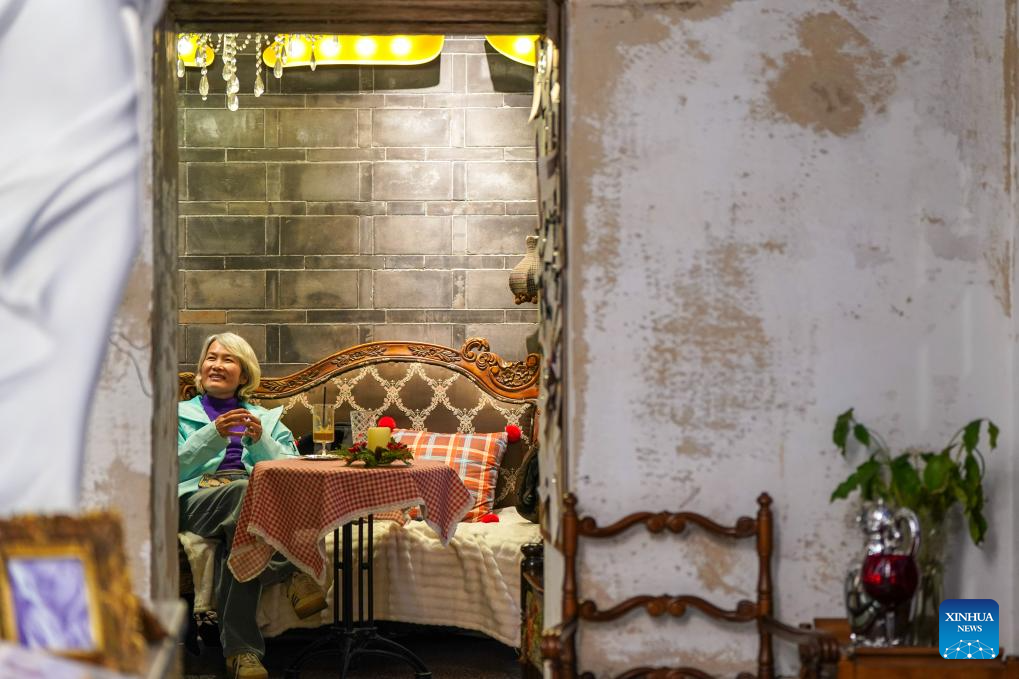
A tourist enjoys herself at a century-old coffee shop near Cuihu Lake in Kunming, southwest China's Yunnan Province, Jan. 13, 2026. Cuihu Lake is both a signature landscape of Kunming and a testament to the city's memories, surrounded by historical legacies such as the former sites of the National Southwestern Associated University and Yunnan Military Academy.
Much like other older urban neighborhoods, the vicinity of Cuihu Lake had grappled with diminishing business vitality. The pressing challenge lies in revitalizing these dormant streets while preserving their historical essence and avoiding extensive demolition and construction.
In recent years, a "cultural corridor" has been created around the lake, linking scattered historical and cultural sites while capitalizing on the thriving coffee industry. Cafe-centered boutique retail businesses have been established along this corridor, shaping an inclusive public space where people can feel free to take a walk, enjoy coffee and immerse themselves in reading. This endeavor has successfully infused the old neighborhoods with new waves of consumption. "Going to the Cuihu Lake for coffee" is now trending among local residents and tourists alike. (Xinhua/Peng Yikai)
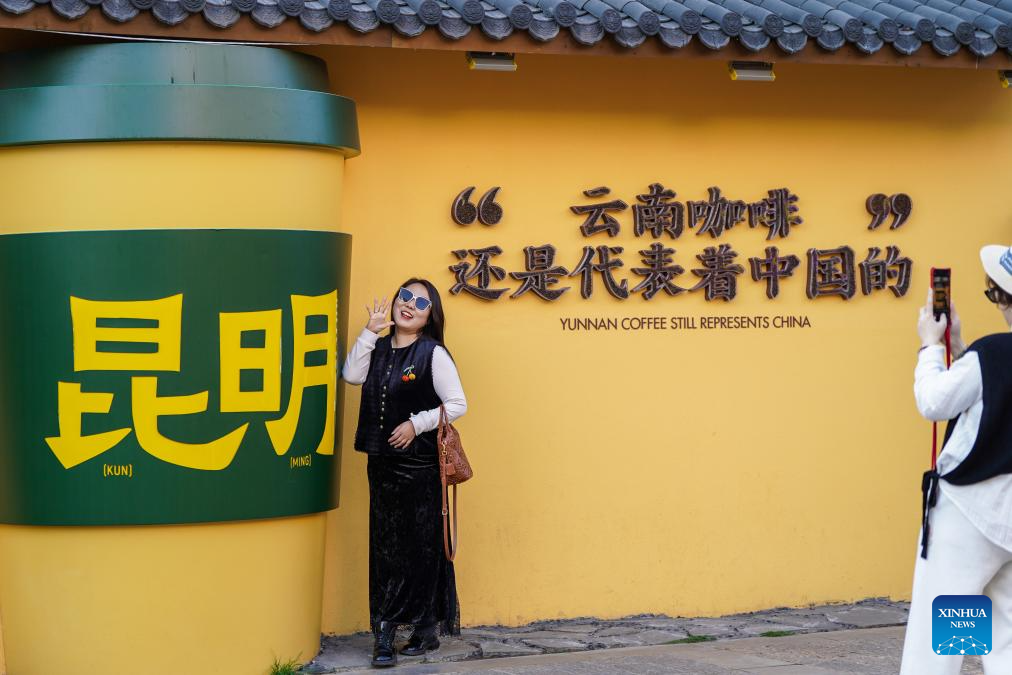
A tourist poses for photo at the Cuihu Lake coffee culture center near Cuihu Lake in Kunming, southwest China's Yunnan Province, Jan. 13, 2026. Cuihu Lake is both a signature landscape of Kunming and a testament to the city's memories, surrounded by historical legacies such as the former sites of the National Southwestern Associated University and Yunnan Military Academy.
Much like other older urban neighborhoods, the vicinity of Cuihu Lake had grappled with diminishing business vitality. The pressing challenge lies in revitalizing these dormant streets while preserving their historical essence and avoiding extensive demolition and construction.
In recent years, a "cultural corridor" has been created around the lake, linking scattered historical and cultural sites while capitalizing on the thriving coffee industry. Cafe-centered boutique retail businesses have been established along this corridor, shaping an inclusive public space where people can feel free to take a walk, enjoy coffee and immerse themselves in reading. This endeavor has successfully infused the old neighborhoods with new waves of consumption. "Going to the Cuihu Lake for coffee" is now trending among local residents and tourists alike. (Xinhua/Peng Yikai)

Tourists visit a bookstore by Cuihu Lake in Kunming, southwest China's Yunnan Province, Jan. 13, 2026. Cuihu Lake is both a signature landscape of Kunming and a testament to the city's memories, surrounded by historical legacies such as the former sites of the National Southwestern Associated University and Yunnan Military Academy.
Much like other older urban neighborhoods, the vicinity of Cuihu Lake had grappled with diminishing business vitality. The pressing challenge lies in revitalizing these dormant streets while preserving their historical essence and avoiding extensive demolition and construction.
In recent years, a "cultural corridor" has been created around the lake, linking scattered historical and cultural sites while capitalizing on the thriving coffee industry. Cafe-centered boutique retail businesses have been established along this corridor, shaping an inclusive public space where people can feel free to take a walk, enjoy coffee and immerse themselves in reading. This endeavor has successfully infused the old neighborhoods with new waves of consumption. "Going to the Cuihu Lake for coffee" is now trending among local residents and tourists alike. (Xinhua/Peng Yikai)
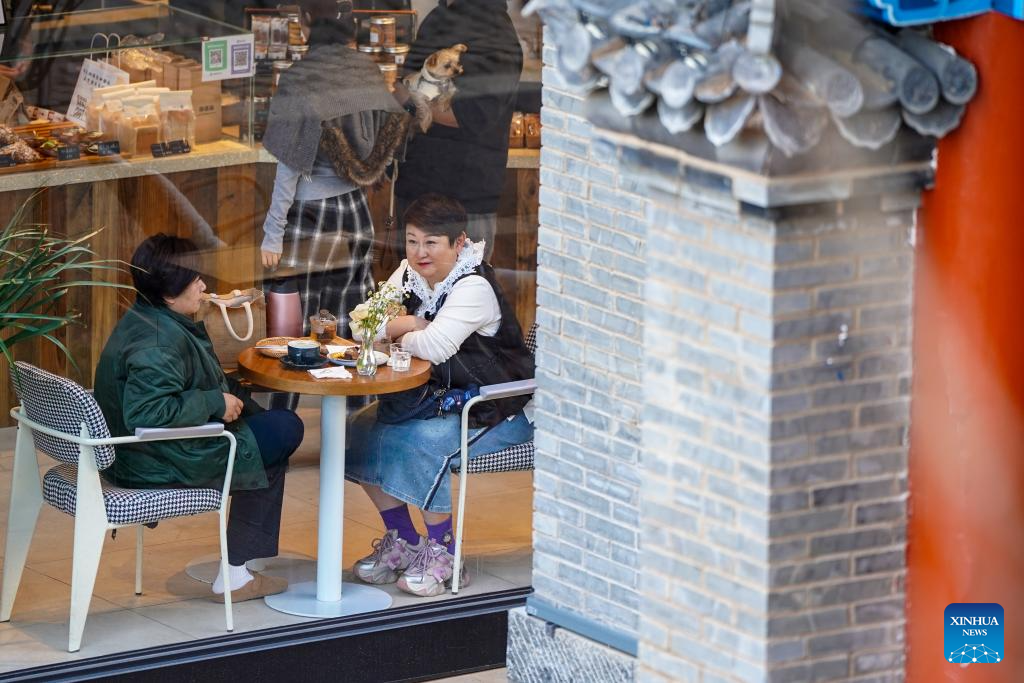
Tourists take a rest at the Cuihu Lake coffee culture center near Cuihu Lake in Kunming, southwest China's Yunnan Province, Jan. 13, 2026. Cuihu Lake is both a signature landscape of Kunming and a testament to the city's memories, surrounded by historical legacies such as the former sites of the National Southwestern Associated University and Yunnan Military Academy.
Much like other older urban neighborhoods, the vicinity of Cuihu Lake had grappled with diminishing business vitality. The pressing challenge lies in revitalizing these dormant streets while preserving their historical essence and avoiding extensive demolition and construction.
In recent years, a "cultural corridor" has been created around the lake, linking scattered historical and cultural sites while capitalizing on the thriving coffee industry. Cafe-centered boutique retail businesses have been established along this corridor, shaping an inclusive public space where people can feel free to take a walk, enjoy coffee and immerse themselves in reading. This endeavor has successfully infused the old neighborhoods with new waves of consumption. "Going to the Cuihu Lake for coffee" is now trending among local residents and tourists alike. (Xinhua/Peng Yikai)
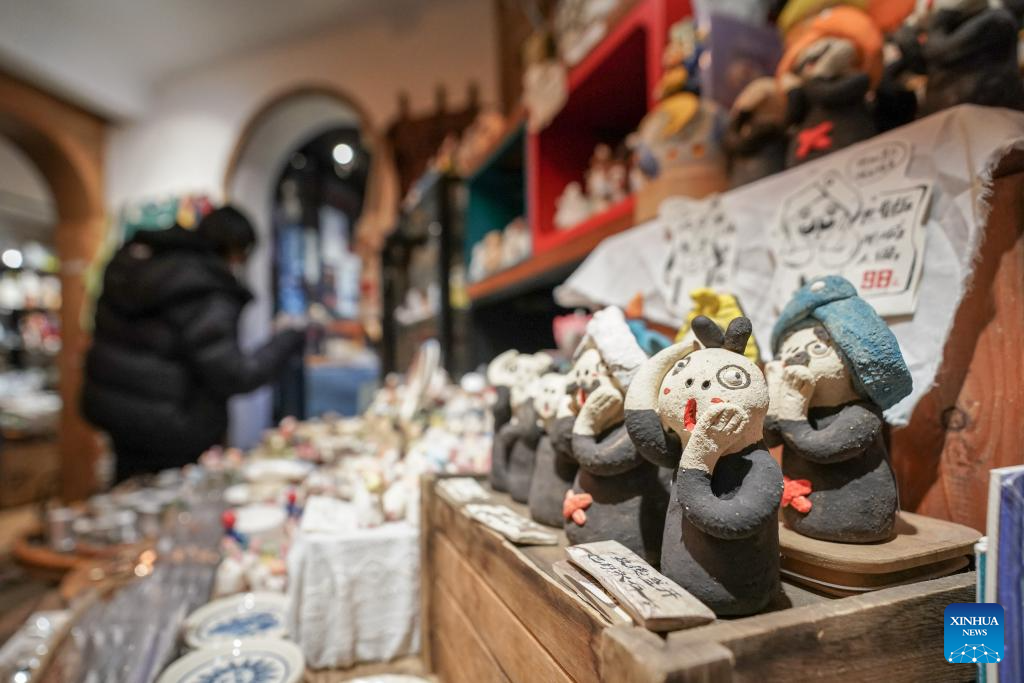
A tourist chooses cultural and creative products in a bookstore by Cuihu Lake in Kunming, southwest China's Yunnan Province, Jan. 13, 2026. Cuihu Lake is both a signature landscape of Kunming and a testament to the city's memories, surrounded by historical legacies such as the former sites of the National Southwestern Associated University and Yunnan Military Academy.
Much like other older urban neighborhoods, the vicinity of Cuihu Lake had grappled with diminishing business vitality. The pressing challenge lies in revitalizing these dormant streets while preserving their historical essence and avoiding extensive demolition and construction.
In recent years, a "cultural corridor" has been created around the lake, linking scattered historical and cultural sites while capitalizing on the thriving coffee industry. Cafe-centered boutique retail businesses have been established along this corridor, shaping an inclusive public space where people can feel free to take a walk, enjoy coffee and immerse themselves in reading. This endeavor has successfully infused the old neighborhoods with new waves of consumption. "Going to the Cuihu Lake for coffee" is now trending among local residents and tourists alike. (Xinhua/Peng Yikai)
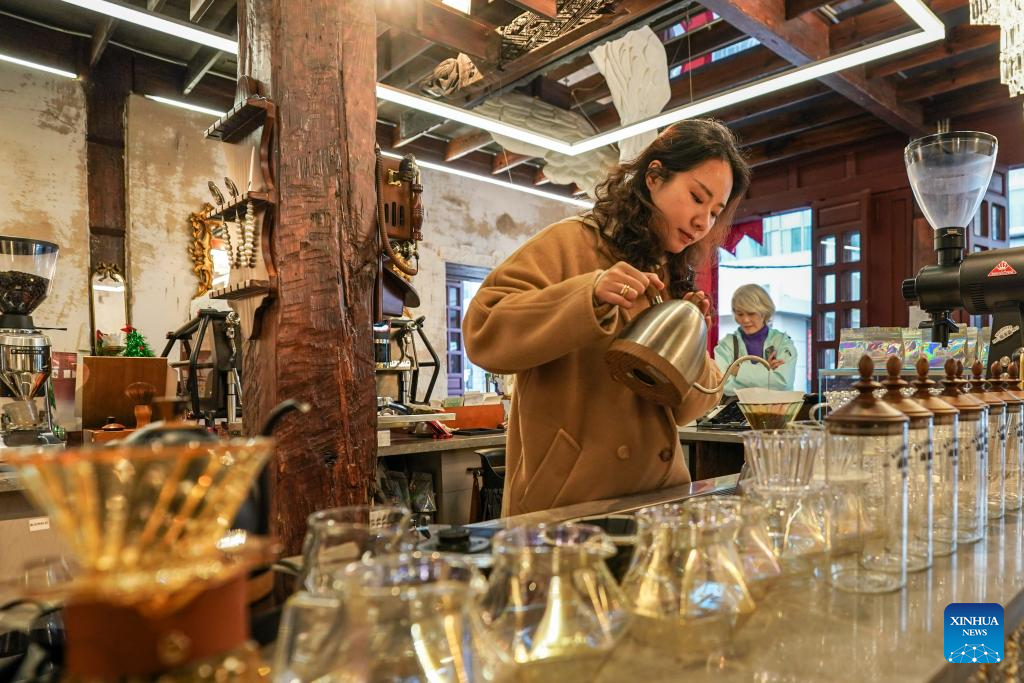
A staff member makes coffee for customers at a century-old coffee shop near Cuihu Lake in Kunming, southwest China's Yunnan Province, Jan. 13, 2026. Cuihu Lake is both a signature landscape of Kunming and a testament to the city's memories, surrounded by historical legacies such as the former sites of the National Southwestern Associated University and Yunnan Military Academy.
Much like other older urban neighborhoods, the vicinity of Cuihu Lake had grappled with diminishing business vitality. The pressing challenge lies in revitalizing these dormant streets while preserving their historical essence and avoiding extensive demolition and construction.
In recent years, a "cultural corridor" has been created around the lake, linking scattered historical and cultural sites while capitalizing on the thriving coffee industry. Cafe-centered boutique retail businesses have been established along this corridor, shaping an inclusive public space where people can feel free to take a walk, enjoy coffee and immerse themselves in reading. This endeavor has successfully infused the old neighborhoods with new waves of consumption. "Going to the Cuihu Lake for coffee" is now trending among local residents and tourists alike. (Xinhua/Peng Yikai)
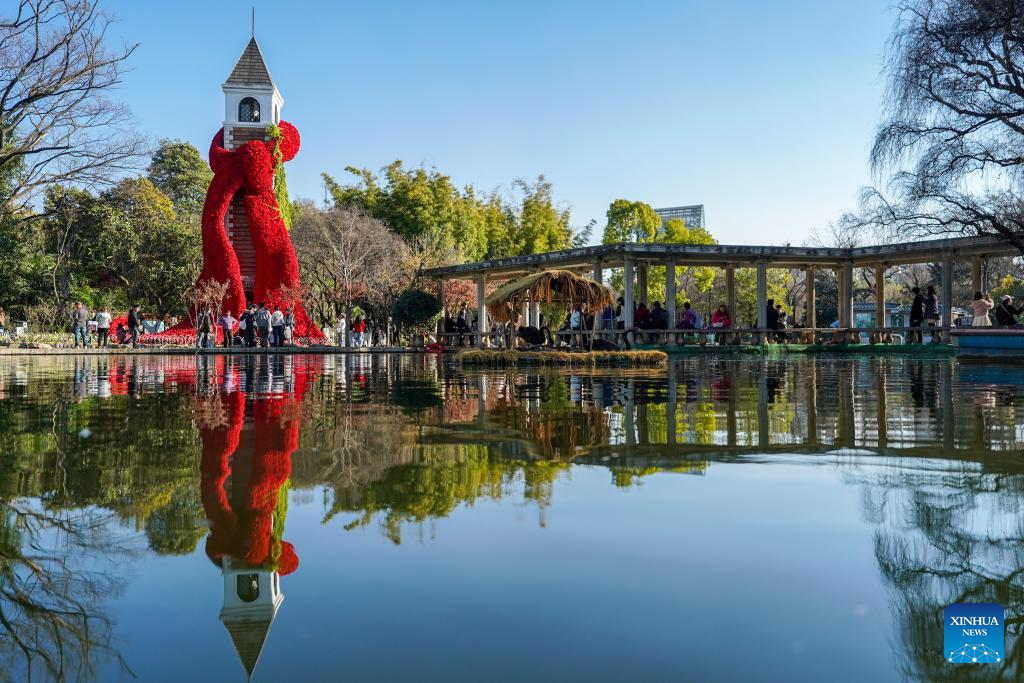
Tourists visit the Cuihu Park in Kunming, southwest China's Yunnan Province, Jan. 13, 2026. Cuihu Lake is both a signature landscape of Kunming and a testament to the city's memories, surrounded by historical legacies such as the former sites of the National Southwestern Associated University and Yunnan Military Academy.
Much like other older urban neighborhoods, the vicinity of Cuihu Lake had grappled with diminishing business vitality. The pressing challenge lies in revitalizing these dormant streets while preserving their historical essence and avoiding extensive demolition and construction.
In recent years, a "cultural corridor" has been created around the lake, linking scattered historical and cultural sites while capitalizing on the thriving coffee industry. Cafe-centered boutique retail businesses have been established along this corridor, shaping an inclusive public space where people can feel free to take a walk, enjoy coffee and immerse themselves in reading. This endeavor has successfully infused the old neighborhoods with new waves of consumption. "Going to the Cuihu Lake for coffee" is now trending among local residents and tourists alike. (Xinhua/Peng Yikai)
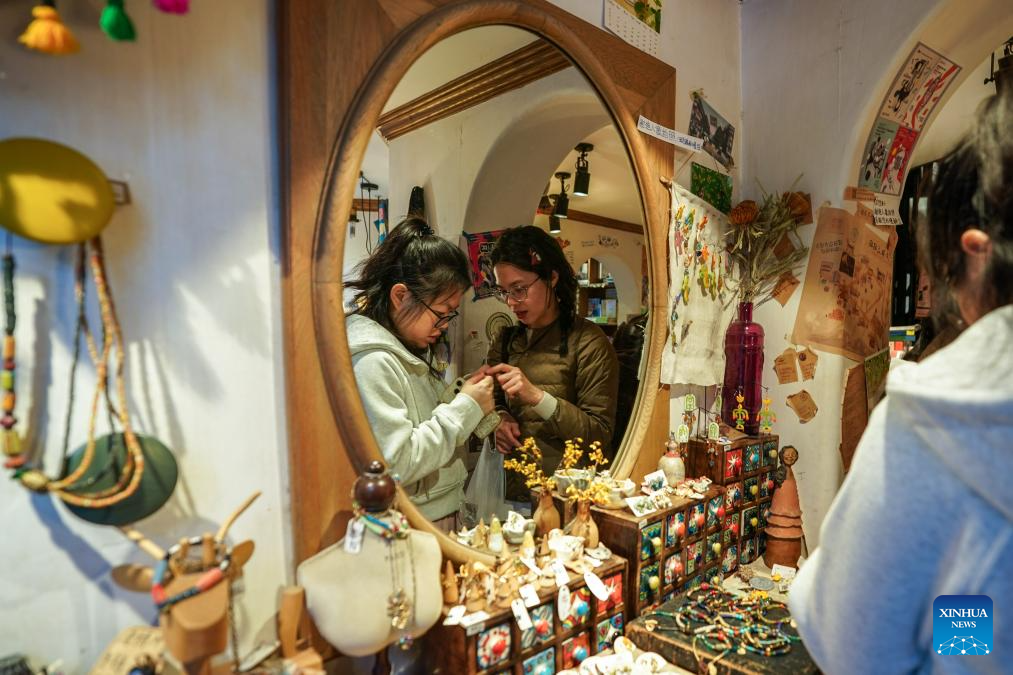
Tourists choose cultural and creative products at a bookstore by Cuihu Lake in Kunming, southwest China's Yunnan Province, Jan. 13, 2026. Cuihu Lake is both a signature landscape of Kunming and a testament to the city's memories, surrounded by historical legacies such as the former sites of the National Southwestern Associated University and Yunnan Military Academy.
Much like other older urban neighborhoods, the vicinity of Cuihu Lake had grappled with diminishing business vitality. The pressing challenge lies in revitalizing these dormant streets while preserving their historical essence and avoiding extensive demolition and construction.
In recent years, a "cultural corridor" has been created around the lake, linking scattered historical and cultural sites while capitalizing on the thriving coffee industry. Cafe-centered boutique retail businesses have been established along this corridor, shaping an inclusive public space where people can feel free to take a walk, enjoy coffee and immerse themselves in reading. This endeavor has successfully infused the old neighborhoods with new waves of consumption. "Going to the Cuihu Lake for coffee" is now trending among local residents and tourists alike. (Xinhua/Peng Yikai)

A staff member makes coffee for customers at a century-old coffee shop near Cuihu Lake in Kunming, southwest China's Yunnan Province, Jan. 13, 2026. Cuihu Lake is both a signature landscape of Kunming and a testament to the city's memories, surrounded by historical legacies such as the former sites of the National Southwestern Associated University and Yunnan Military Academy.
Much like other older urban neighborhoods, the vicinity of Cuihu Lake had grappled with diminishing business vitality. The pressing challenge lies in revitalizing these dormant streets while preserving their historical essence and avoiding extensive demolition and construction.
In recent years, a "cultural corridor" has been created around the lake, linking scattered historical and cultural sites while capitalizing on the thriving coffee industry. Cafe-centered boutique retail businesses have been established along this corridor, shaping an inclusive public space where people can feel free to take a walk, enjoy coffee and immerse themselves in reading. This endeavor has successfully infused the old neighborhoods with new waves of consumption. "Going to the Cuihu Lake for coffee" is now trending among local residents and tourists alike. (Xinhua/Peng Yikai)

A tourist takes photo at a bookstore by Cuihu Lake in Kunming, southwest China's Yunnan Province, Jan. 13, 2026. Cuihu Lake is both a signature landscape of Kunming and a testament to the city's memories, surrounded by historical legacies such as the former sites of the National Southwestern Associated University and Yunnan Military Academy.
Much like other older urban neighborhoods, the vicinity of Cuihu Lake had grappled with diminishing business vitality. The pressing challenge lies in revitalizing these dormant streets while preserving their historical essence and avoiding extensive demolition and construction.
In recent years, a "cultural corridor" has been created around the lake, linking scattered historical and cultural sites while capitalizing on the thriving coffee industry. Cafe-centered boutique retail businesses have been established along this corridor, shaping an inclusive public space where people can feel free to take a walk, enjoy coffee and immerse themselves in reading. This endeavor has successfully infused the old neighborhoods with new waves of consumption. "Going to the Cuihu Lake for coffee" is now trending among local residents and tourists alike. (Xinhua/Peng Yikai)
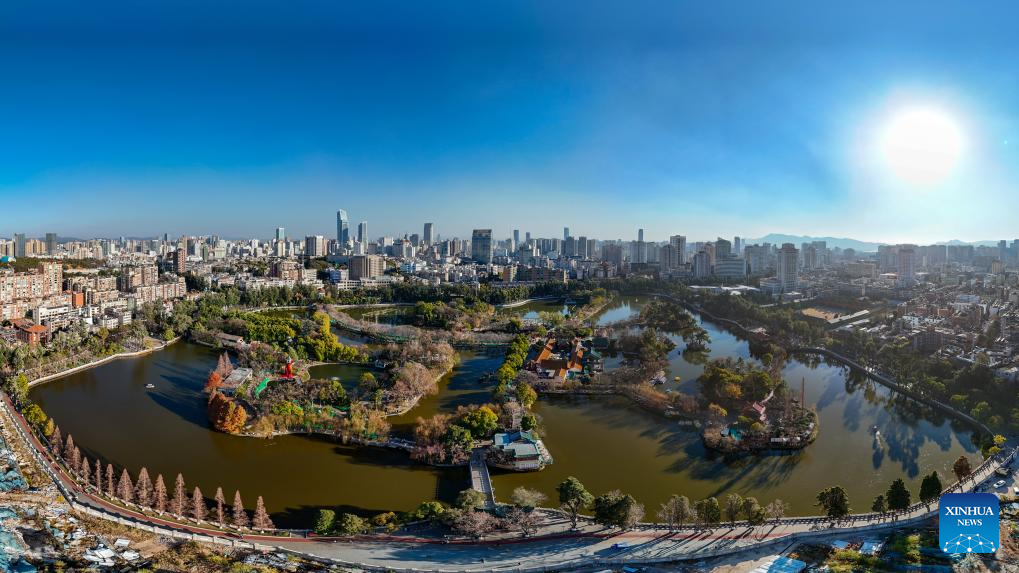
An aerial drone photo taken on Jan. 13, 2026 shows a view of Cuihu Lake in Kunming, southwest China's Yunnan Province. Cuihu Lake is both a signature landscape of Kunming and a testament to the city's memories, surrounded by historical legacies such as the former sites of the National Southwestern Associated University and Yunnan Military Academy.
Much like other older urban neighborhoods, the vicinity of Cuihu Lake had grappled with diminishing business vitality. The pressing challenge lies in revitalizing these dormant streets while preserving their historical essence and avoiding extensive demolition and construction.
In recent years, a "cultural corridor" has been created around the lake, linking scattered historical and cultural sites while capitalizing on the thriving coffee industry. Cafe-centered boutique retail businesses have been established along this corridor, shaping an inclusive public space where people can feel free to take a walk, enjoy coffee and immerse themselves in reading. This endeavor has successfully infused the old neighborhoods with new waves of consumption. "Going to the Cuihu Lake for coffee" is now trending among local residents and tourists alike. (Xinhua/Peng Yikai)
点击右上角 微信好友
微信好友
 朋友圈
朋友圈

请使用浏览器分享功能进行分享