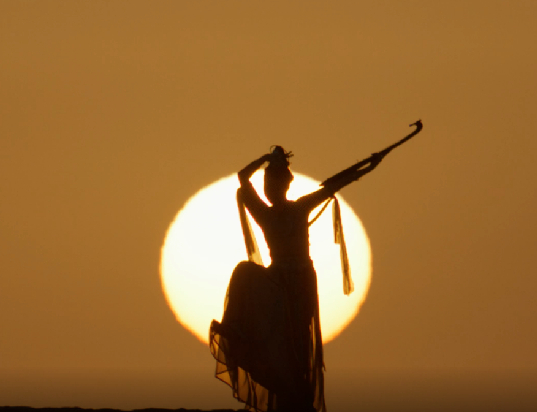



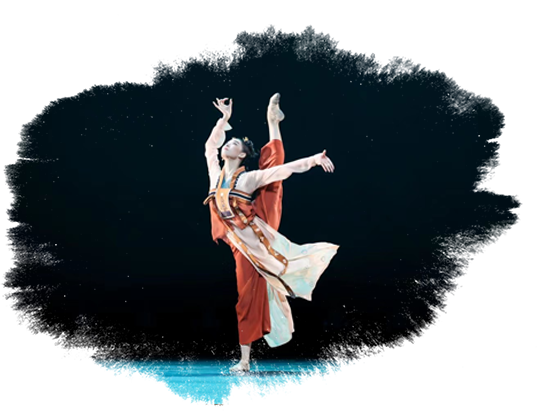
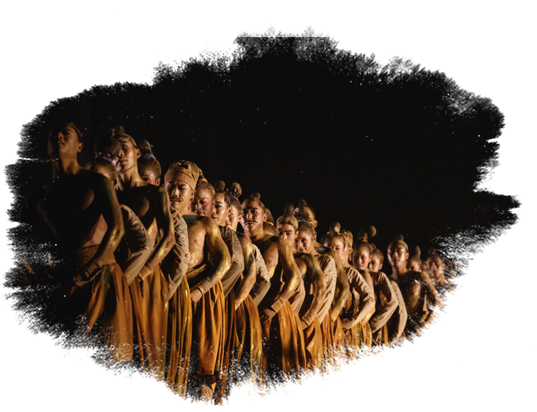
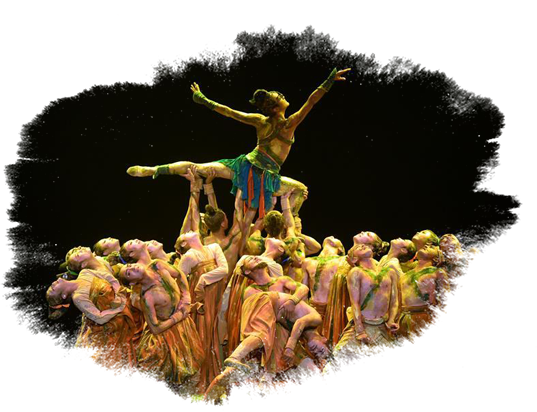

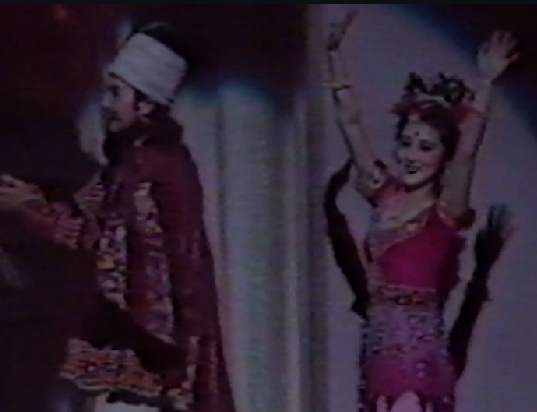
In 1113, back in China's Song Dynasty, Wang Ximeng, an 18-year-old genius painter, put the finishing touches to his only surviving work, "A Thousand Miles of Mountains and Rivers", a masterpiece of Chinese painting that was to shine through centuries of time to stun, inspire, and invite awe from everyone who lays eyes on it. Now, after around a thousand years, a reinterpretation of the painting by China Oriental Performing Art Group, "Poetic Dance: The Journey of a Legendary Landscape Painting", which re-represented the painting with Chinese classical dance, injects fresh vitality into this important Chinese cultural relics in this new era.
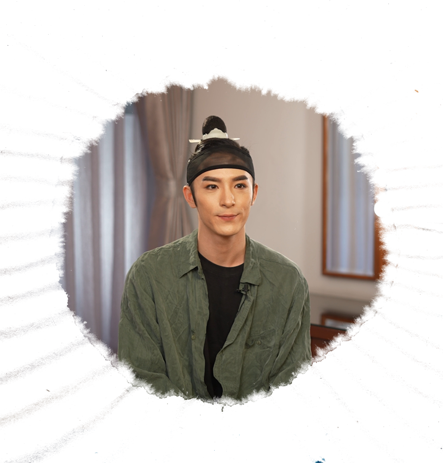
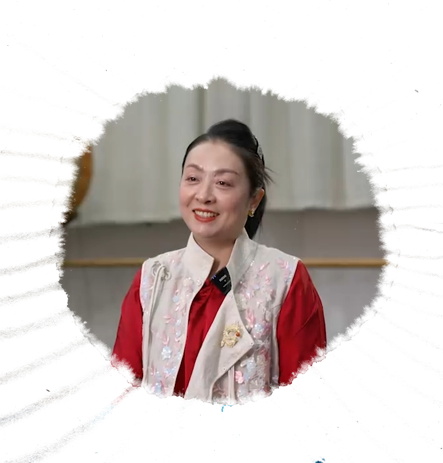
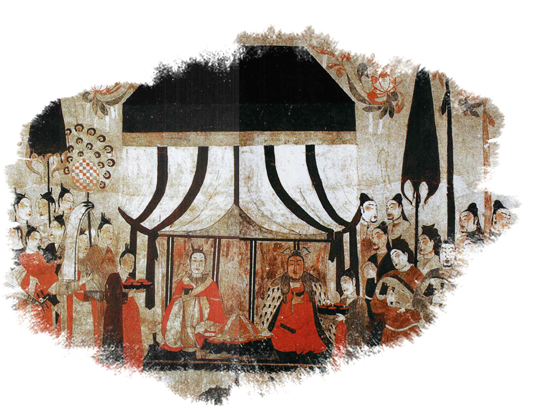
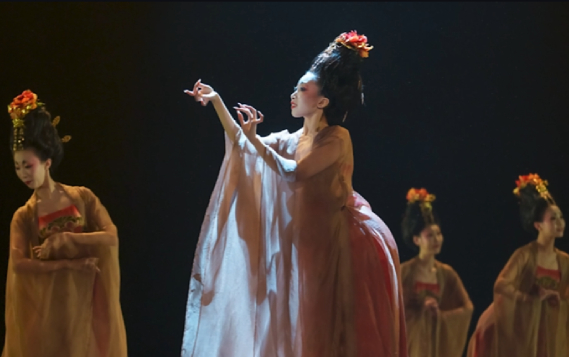
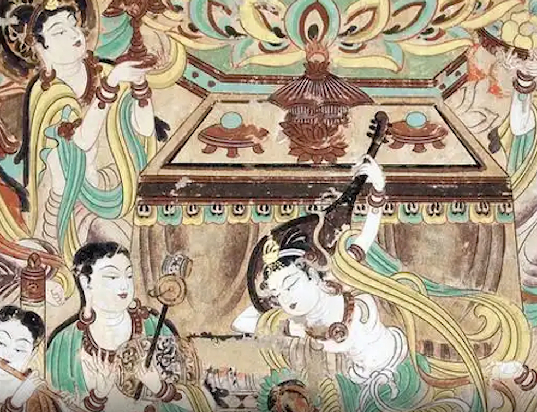
During the Northern Dynasty period, vivid murals adorned the tombs, capturing the era's life and culture. Today, Huang Jiayuan, choreographer from the Beijing Dance Drama & Opera, brings this ancient art to life with her classical dance "Flying-Bird Bun". Inspired by the Northern Dynasty murals, particularly the hairstyle depicted in the Xu Xianxiu tomb, Huang transforms these historical images into a dynamic stage performance. Through extensive research and a deep understanding of the era, she conveys the inner pursuit of freedom and vitality of that time, infusing new life into these beautiful yet lesser-known historical treasures.
During the Wei, Jin, and Northern and Southern Dynasties, the Flying-Bird Bun was a symbol of elegance and individuality. Today, choreographer Huang Jiayuan from the Beijing Dance Drama & Opera reimagines this historical hairstyle in her classical dance "Flying-Bird Bun". Inspired by Northern Dynasty murals, this dance piece captures the serene beauty and introspection of the era's art. Huang's meticulous study of historical details and her innovative choreography create a profound dialogue between past and present. Through graceful movements and expressive body language, "Flying-Bird Bun" brings the ancient murals' beauty and emotions to the modern stage, inviting audiences to experience a timeless connection with history.
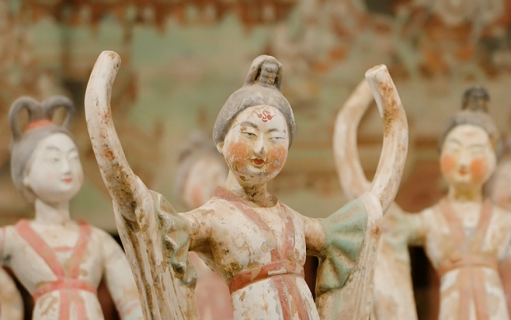
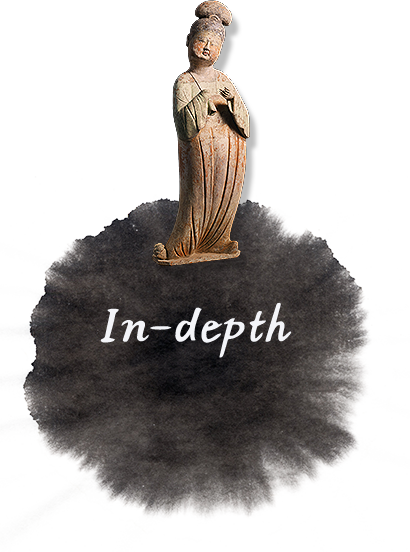
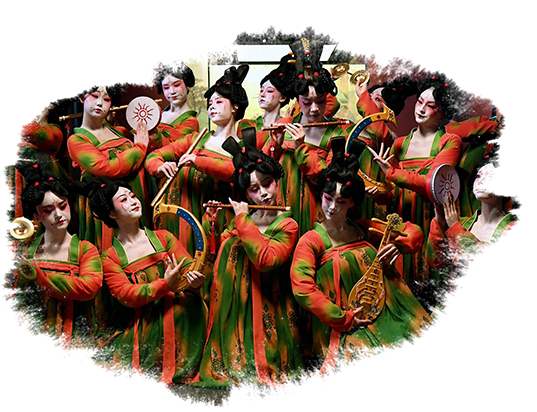
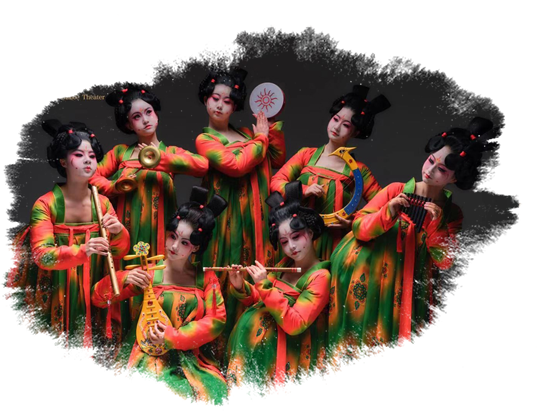
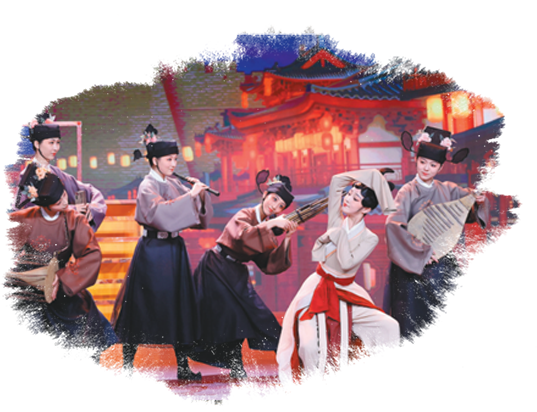
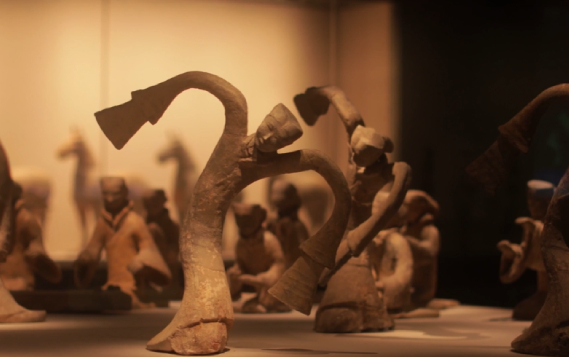
In 1959, a group of Tang tri-colored pottery figurines of female musicians were unearthed from a tomb in Anyang City of central China's Henan Province. These relics inspired the dance "Night Banquet in Tang Dynasty Palace", created by the Zhengzhou Song and Dance Theater. Through meticulous makeup, costumes, and choreography, the choreographers ensured that the modern-day dancers authentically mirrored their ancient counterparts. Adorned in adorable, chubby costumes, the dancers gracefully swayed their plump bodies to the rhythm of the music. By embodying playful, feisty, charming, and whimsically cute personas, the dance show adopts a humorous and delightful tone, bringing a sense of brightness to the modern imagination of these ancient figurines.
Through meticulous makeup and costume design, dancers from the Zhengzhou Song and Dance Theater authentically revived the Tang tri-colored pottery figurines of female musicians. Beyond physical resemblance, the choreographers of "Night Banquet in Tang Dynasty Palace" aimed to create an innovative dance spectacle filled with humor and joy. The dancers conveyed bubbly, funny, mischievous, and endearing personalities, seamlessly blending Tang Dynasty history with contemporary elements. Each dancer adopted a distinct personality, generating numerous playful and heartwarming scenes throughout the show. This innovative approach to reconstructing traditional Chinese culture aims to deepen the audiences' appreciation and understanding of it.
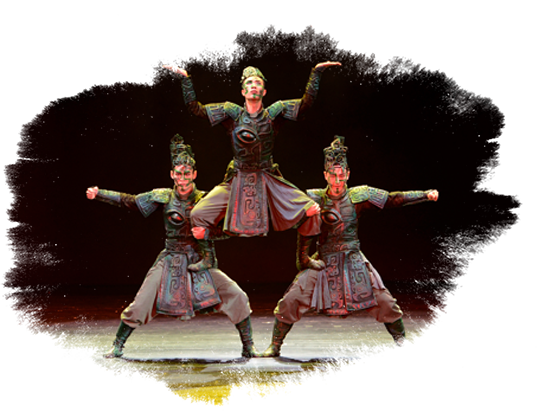
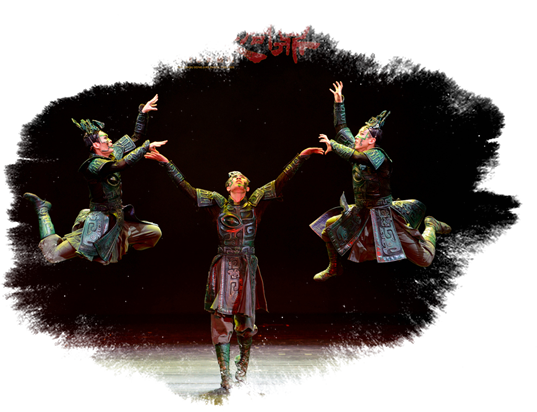
Among the vast collection of Chinese Dings, Wang Ziwu Ding stands out as one of the most unique. Discovered in central China's Henan Province in 1978, the Ding belonged to a man named "Wang Ziwu". His father was once the King of a state called Chu in China. Created between 558 and 552 BCE, the Wang Ziwu Ding epitomizes the essence of Chu culture, characterized by vibrant artistic expression and imagination. In 2021, a group of Chinese Classical Dance artists from the Zhengzhou Opera and Dance Drama Theater decided to visualize the spirit and cultural significance of the Wang Ziwu Ding. Their choreography conveys the strength, artistic flair, and call for unity epitomized by the Wang Ziwu Ding.
The choreographers of the Zhengzhou Song and Dance Theater devoted to translating the distinctive characteristics of the Wang Ziwu Ding into dance movements, visualizing the values of strength, unity, power, and vitality in a manner that resonates with audiences. Throughout the creative process, they meticulously crafted movements that embody these values, weaving together a rich tapestry of expressive choreography. Upon completing this work, the choreographers hope that this dance show will reach both domestic and global audiences. They believe that the Wang Ziwu Ding represents not only the unity of the Chinese nation but also serves as a symbol of peace and unity for the entire world. Through this performance, they aim to send a call for friendship and peace worldwide.
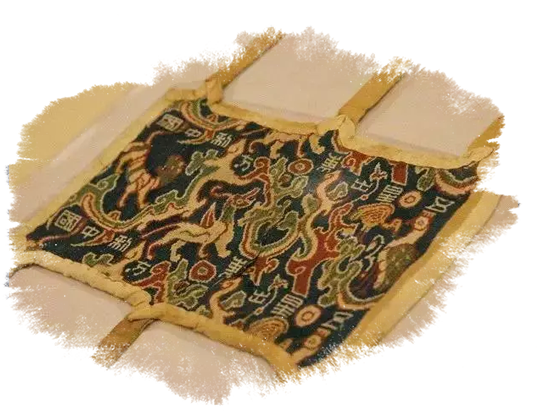
In a remarkable fusion of ancient history and contemporary art, the dance drama "Five Stars Rising from the East" brings to life the story behind a two-thousand-year-old Han-dynasty brocade, weaving together past and present on stage. Xu Rui, playwright of the dance drama and President of Beijing Dance Academy, took inspiration from a significant archaeological find in 1995. The Sino-Japanese Academic Expedition to the Niya Ruins unearthed a piece of Han-dynasty brocade with seal-script Chinese characters reading "Five Stars Rising from the East Benefits China." This discovery, found in the deserts of Xinjiang, is an exceptional example of ancient Chinese weaving and holds great historical and cultural significance.
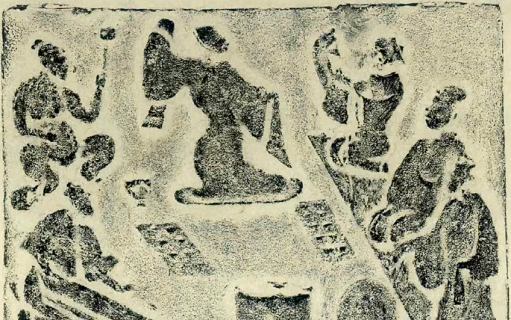
Since the 1970s, numerous Liao-Dynasty tombs have been discovered in Hebei Province, China. The murals adorning these tombs, now over a millennium old, retain their vibrant colors and intricate details. Depicting everything from daily life and musical banquets to court musicians and noble families, these rich murals offer an encyclopedic glimpse into the social life of Liao Dynasty. Among these murals, the painting "Diverse Ensemble" is particularly remarkable for its exquisite depictions of human figures. It vividly portrays eight elegantly dressed musicians and dancers, bringing the main performance form of Liao-Dynasty music and dance – Diverse Ensemble back to life across the millennia. In 2021, the Dance Academy of Shenyang Conservatory of Music began to create a dance based on the mural "Diverse Ensemble". Prior to this, there had been few works dedicated to Liao-Dynasty dance and music. By delving into Liao-Dynasty musical culture and recreating the dance movements, the creative team has brought the "Diverse Ensemble" from the ancient murals onto a modern stage, allowing audiences to experience this vibrant art form once again.
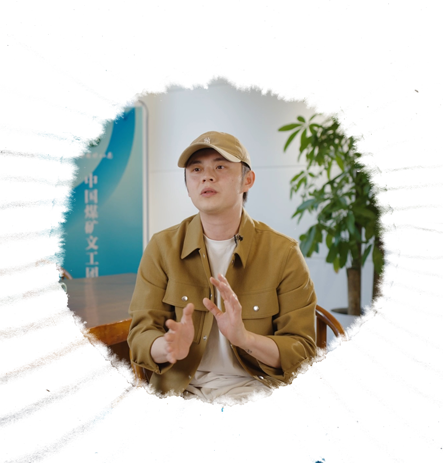
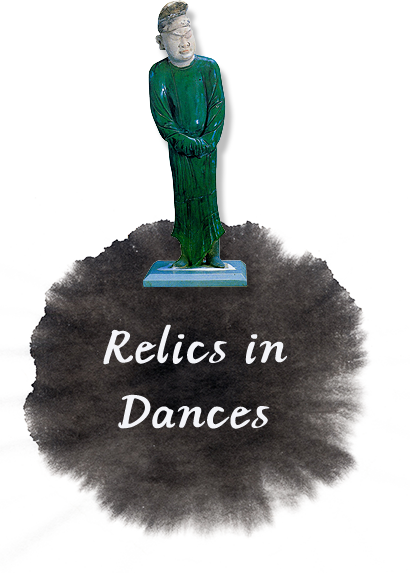
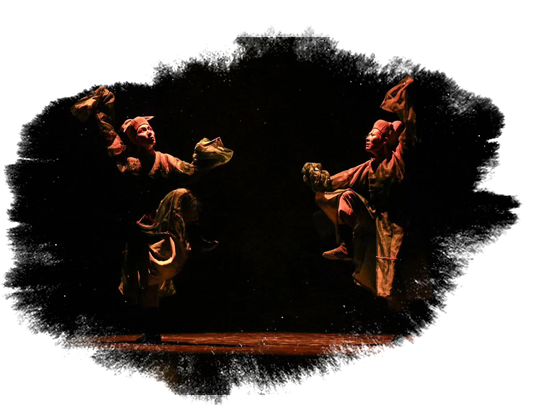
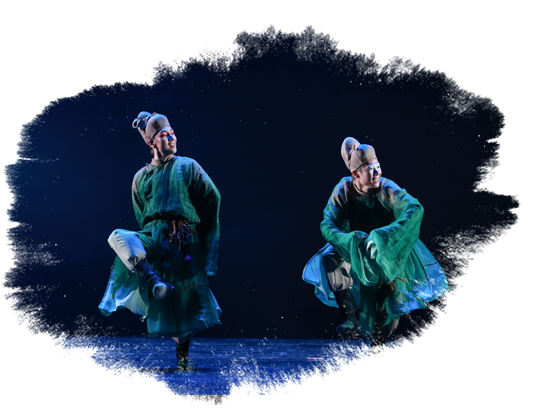
The "green-glazed pottery male figures" were unearthed in Xi'an, northwest China's Shaanxi Province, from the tomb of General Xianyu Tinghui, commander of the Right Flank Army during the Kaiyuan era of the Tang Dynasty. These figurines, celebrated as masterpieces of the High Tang period, are vividly expressive and adorned with green glaze. They are widely regarded as iconic representations of Canjun Opera performers, an art form popular in the Tang Dynasty known for its witty dialogues. In 2022, a choreographer from the China Coal Mine Art Troupe encountered these figurines at the National Museum of China, sparking the idea of "reviving" them on stage through a dance drama. The team carefully refined the choreography to authentically recreate Canjun Opera and breathe new life into this ancient theatrical tradition.
During the Tang Dynasty, Canjun Opera was typically performed by two actors: one portraying the witty and humorous "Canjun" and the other the endearingly clumsy "Canghu." However, the lives of these performers were far from glamorous. Many entered the profession out of necessity, entertaining nobles and officials to earn a living. In reviving the green-glazed male pottery figures from the Tang Dynasty, the choreographer from the China Coal Mine Art Troupe sought not only to recreate the physical language of Canjun Opera, but also aimed to unveil the tragic essence hidden beneath its comedic surface, shedding light on the hardships endured by ancient performers. Through this artistic expression, the director and performers aspired to deepen audiences' understanding of Canjun Opera—not only as a theatrical form but also as a reflection of the historical and cultural context embodied by these pottery figures.
Tang tri-colored pottery originated in Luoyang City, central China's Henan Province. These pottery figures were meticulously crafted by artisans along the Yellow River, showcasing their ingenuity and creativity while holding immense artistic value. In 2019, the directors of "Xianwuren Studio", driven by a deep respect for traditional Chinese culture, brought the art of Tang pottery-making to the stage. Through anthropomorphic expressions, the dancers breathed life into Tang pottery, paying tribute to the Yellow River culture behind it. Using Chinese classical dance, the production revives Tang pottery on stage, highlighting the unwavering efforts and significant contributions of working people in preserving Chinese culture.
The black-glazed horse figurine is a treasured artifact of the Luoyang Museum in central China's Henan Province. Excavated from the tomb of An Pu and his wife at Longmen in Luoyang, this sculpture features a distinctive black glaze achieved through a unique firing technique. During the Tang Dynasty, black glaze was not produced through direct firing. Instead, artisans applied multiple layers of glaze, gradually deepening the color until an accidental depth of black was achieved. This meticulous process made black-glazed pieces extremely rare. In 2019, the directors of "Xianwuren Studio" brought the black-glazed horse to life on stage in their dance production "Tricolors Alongside the Yellow River", infusing this ancient relic with new vitality and artistic expression through dance.
Reawakening history and spirit of Wang Ziwu Ding through dance

"Green-glazed Pottery Male Figures": Story of Canjun Opera told through contemporary dance

Rebirth of Canghu on stage: A modern interpretation of Canjun Opera

Exploring Eastern classical aesthetics for innovation in dance drama

The inspiration came from a brocade armband inscribed with the phrase "Five Stars Rising from the East Benefits China." This artifact originated in Shu (modern Sichuan) but was unearthed in the Western Regions – a vivid reflection of the cultural interplay between the Central Plains and the Western frontier.

"Flying-bird bun": Breathing life into Northern-Dynasties murals through dance


Artistic endeavor as self-discovery: Tang magnificence captured in dance

Traversing centuries: Revealing distinct aesthetic of flourishing era

Diverse Ensemble: A aialogue between past and present

The popularity of "Guochao" dance stems from a profound national recognition and emotional resonance with China's rich traditional culture. This cultural phenomenon is deeply rooted in national pride and cultural confidence. Without a solid foundation in traditional culture, it risks becoming merely a superficial visual spectacle.

"Poetic Dance: The Journey of a Legendary Landscape Painting" celebrates those behind "A Thousand Miles of Mountains and Rivers"